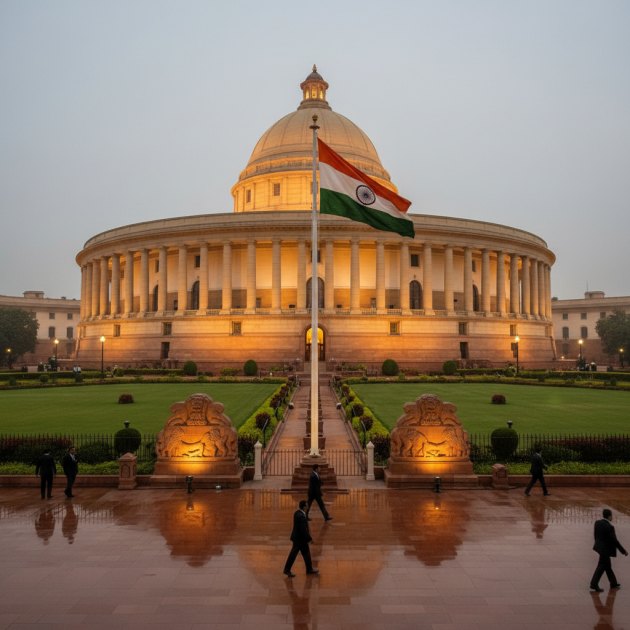
PM Modi Meets Myanmar Leader: India's Strategic Gains & Future Ties
Did you know that a single meeting between two leaders can reshape the destiny of millions and redraw the geopolitical map of a region? On Tuesday, June 2nd, 2026, the world watched as India’s Prime Minister Narendra Modi met with Myanmar’s leader in New Delhi. This wasn't just another diplomatic handshake; it was a pivotal moment for India Myanmar Relations, laden with strategic implications for India’s security, economic growth, and its standing in the increasingly complex geopolitics of Southeast Asia. For us Indians, understanding the nuances of this high-stakes diplomacy is crucial, as it directly impacts our safety and prosperity. Let's dive deep into what this landmark summit entailed and what it truly means for your future.
The Strategic Significance of PM Modi's Meeting with Myanmar's Leader
When PM Modi sits down with leaders from neighbouring countries, especially those with complex internal situations like Myanmar, it's never just about pleasantries. The land border India shares with Myanmar, stretching over 1,600 kilometres, presents both opportunities and significant challenges. This border is a vital artery for trade and cultural exchange, but it's also a porous frontier susceptible to illegal activities, including insurgency, drug trafficking, and arms smuggling. For decades, instability in Myanmar has had a ripple effect across India’s northeastern states. Therefore, any dialogue aimed at fostering stability and cooperation in Myanmar is of paramount importance to India’s national security.
Why Myanmar Matters to India
Myanmar, often called the ‘Gateway to Southeast Asia’, holds immense strategic value for India. Its location is critical for India’s Act East Policy, aiming to enhance economic and strategic ties with ASEAN nations. Furthermore, Myanmar is a key partner in India’s Neighbourhood First policy, focusing on developing relationships with immediate neighbours. The country is also crucial for India’s connectivity projects, including the Kaladan Multi-Modal Transit Transport Project, which aims to connect India’s eastern port of Kolkata with Sittwe port in Myanmar, thereby providing an alternative sea route to the landlocked northeastern states.
The Geopolitical Chessboard
In the current global climate, where great power competition is intensifying, the stability and alignment of countries like Myanmar are keenly observed. China’s growing influence in Myanmar is a significant concern for India. A cooperative and stable Myanmar, aligned with India’s interests, can act as a crucial buffer and a strategic partner, preventing hostile powers from gaining undue advantage in India’s immediate neighbourhood. This meeting, therefore, wasn't just about bilateral ties; it was about navigating the intricate web of regional and global geopolitics.
Takeaway: Understanding the strategic location and historical context of Myanmar is key to appreciating why this meeting is more than just a diplomatic event; it’s about safeguarding India's borders and regional influence.
Key Areas of Discussion: What Did PM Modi and the Myanmar Leader Talk About?
While the official readout from such high-level meetings often remains concise, informed sources suggest that the discussions between PM Modi and the Myanmar leader likely revolved around several critical pillars of bilateral cooperation and regional stability. These would have included security cooperation, economic partnerships, humanitarian assistance, and the future of democratic transition in Myanmar. The focus would have been on finding common ground that serves mutual interests while addressing India’s core concerns.
Enhanced Security Cooperation
The most pressing issue for India is undoubtedly border security. The meeting likely saw a renewed commitment to intelligence sharing and joint operations against insurgent groups that operate along the India-Myanmar border. For years, groups like the National Socialist Council of Nagaland (NSCN) factions and the United Liberation Front of Assam (ULFA) have used Myanmar's territory as a safe haven. India would have pushed for more concerted action to dismantle these camps and prevent the movement of militants. The ongoing influx of refugees from Myanmar into India's northeastern states, particularly Mizoram, was also a significant point of discussion. India would have sought assurances and cooperation from Myanmar to manage this flow and facilitate voluntary, safe, and sustainable repatriation.
Economic Partnerships and Connectivity
Beyond security, economic ties form another crucial dimension. India has a vested interest in seeing a stable and prosperous Myanmar, as this translates to increased trade and investment opportunities. The Kaladan project, despite its delays, remains a flagship initiative. Discussions would have focused on ways to expedite its completion and explore new avenues for economic engagement. This could include investments in infrastructure, energy, and other sectors. For Indian businesses looking at regional expansion, a stable Myanmar offers potential. For example, Indian companies could explore opportunities in Myanmar’s nascent manufacturing sector or its resource-rich areas, provided the security and regulatory environment improves.
Humanitarian Assistance and Development Aid
India has consistently provided humanitarian assistance to Myanmar, especially in times of crisis. The meeting likely saw a reaffirmation of India’s commitment to supporting Myanmar’s development. This could involve providing aid for healthcare, education, and disaster relief. India’s approach has often been to focus on people-centric projects that foster goodwill and build long-term relationships. For instance, India has previously supported the restoration of historical sites in Bagan and provided medical equipment to hospitals across Myanmar. Such initiatives, though small in the grand scheme of geopolitics, resonate deeply with the populace.
Takeaway: Expect a stronger emphasis on practical cooperation in areas like border management, trade facilitation, and people-to-people connect, driven by mutual security and economic interests.
Potential Agreements and Outcomes: What’s Next for India and Myanmar?
High-level meetings like this often culminate in concrete agreements or, at the very least, a clear roadmap for future engagement. Based on the established priorities, several key outcomes can be anticipated from the PM Modi-Myanmar leader summit.
A Strengthened Security Pact
It's highly probable that both sides agreed to a more robust framework for intelligence sharing and coordinated border management. This could involve the establishment of joint working groups to tackle specific threats like cross-border terrorism and drug trafficking. An enhanced pact would mean more frequent joint patrols, better communication channels between border forces, and a shared commitment to preventing the use of each other’s territory for hostile activities. For citizens living in border regions, this could translate to a more secure environment over time.
Boost to Connectivity Projects
The Kaladan project is likely to receive a significant push. Both leaders would have discussed the challenges hindering its progress and devised strategies to overcome them. This might include resolving land acquisition issues, streamlining customs procedures, and ensuring better security for project personnel. Beyond Kaladan, there could be discussions about exploring new road and rail links, further integrating the economies of northeastern India and Myanmar. Imagine the possibilities for trade and tourism if these projects gain momentum!
Framework for Dialogue on Myanmar's Internal Situation
While India maintains a policy of non-interference, it has consistently advocated for a peaceful resolution of Myanmar’s internal conflicts and a return to democratic norms. The meeting likely provided an opportunity for PM Modi to reiterate India’s position and for the Myanmar leader to share insights into the country’s political roadmap. While immediate breakthroughs are unlikely, the dialogue itself is crucial for maintaining channels of communication and encouraging a path towards stability and inclusivity. India's approach will likely continue to balance its security imperatives with its democratic values.
Humanitarian and Cultural Exchange Initiatives
Expect announcements regarding new Indian-funded development projects in Myanmar, focusing on areas like healthcare, education, and vocational training. Furthermore, cultural exchange programs aimed at fostering greater understanding between the two peoples are likely to be strengthened. This could involve student exchanges, joint cultural festivals, and the promotion of tourism.
Takeaway: Look out for concrete steps to enhance security cooperation and expedite crucial connectivity projects, alongside continued Indian support for Myanmar's development and stability.
India's Geopolitical Balancing Act: Navigating Regional Pressures
India finds itself in a delicate geopolitical position concerning Myanmar. On one hand, there’s the strategic imperative to ensure its own borders are secure and that no hostile power gains dominance in its neighbourhood. On the other hand, India champions democratic values and human rights, which creates a complex dynamic given Myanmar's current political landscape. PM Modi’s engagement with the Myanmar leadership is a testament to this balancing act.
The China Factor
China's deep and growing engagement with Myanmar, particularly through infrastructure projects and military ties, is a major concern for India. Beijing's influence in Myanmar is seen as a strategic challenge, potentially impacting India's own security interests. India's outreach to Myanmar is, in part, an effort to ensure that its own strategic space is not eroded and to maintain a degree of influence in a country that borders India. This meeting signals India's determination to remain a relevant player in Myanmar’s affairs, offering an alternative partnership to that of China.
Engagement with ASEAN
Myanmar is a member of the Association of Southeast Asian Nations (ASEAN). India’s engagement with Myanmar is intrinsically linked to its broader Act East Policy and its relationship with ASEAN. Maintaining dialogue with Myanmar, even under the current circumstances, is crucial for ASEAN’s cohesion and for India’s ability to engage constructively with the entire bloc. India’s consistent engagement also helps in shaping regional norms and encouraging a multilateral approach to regional challenges.
Domestic Considerations in India
The situation in Myanmar, particularly the refugee crisis, has direct implications for India’s northeastern states. Managing these internal security challenges and humanitarian concerns requires a proactive foreign policy. The meeting between PM Modi and the Myanmar leader was also about addressing these domestic pressures and seeking solutions that protect India’s interests while upholding its humanitarian commitments. For citizens in border states, the assurance of a stable neighbourhood is paramount.
Takeaway: India’s strategy towards Myanmar is a complex balancing act, influenced by regional power dynamics, its own security needs, and domestic realities.
Addressing Concerns: What This Meeting Means for YOU
You might be wondering, “How does a meeting between leaders in Delhi affect my daily life?” The answer is significant. Your safety, economic opportunities, and the overall stability of our nation are directly linked to our foreign policy decisions, especially concerning our neighbours.
Enhanced Border Security and Reduced Insurgency
One of the most direct benefits for you, especially if you live in or have family in India’s northeastern states, is the potential for improved border security. Better cooperation with Myanmar means a stronger fight against insurgent groups and illegal cross-border activities. This can lead to a more peaceful and secure environment for millions of Indians. Imagine fewer disruptions to normal life and greater confidence in regional stability.
Economic Opportunities and Trade
Improved connectivity projects like the Kaladan corridor, when fully operational, can unlock significant economic potential. This means easier trade routes, potentially lower prices for goods, and new business opportunities for Indian entrepreneurs. For you, this could translate into more affordable products and wider market access if you run a small business. For example, if you are involved in the logistics or manufacturing sector, these projects could open up new avenues for growth.
Regional Stability and India’s Global Standing
A stable neighbourhood is crucial for India’s overall progress and its standing on the global stage. When India successfully manages its relationships with neighbours like Myanmar, it enhances its reputation as a responsible and influential power. This, in turn, attracts foreign investment, boosts tourism, and creates a more conducive environment for economic development across India. Your children might benefit from increased educational and career opportunities in a more prosperous India.
Humanitarian Impact
India's continued humanitarian assistance to Myanmar reflects its values and strengthens its soft power. By supporting development and providing aid, India contributes to the well-being of people in a neighbouring country, fostering goodwill and long-term positive relationships. This humanitarian aspect is something you can be proud of as an Indian citizen.
Takeaway: This meeting has tangible implications for your security, economic prospects, and the overall pride you feel in India’s role in the world.
Frequently Asked Questions (FAQs)
- Q1: What is the current political situation in Myanmar?
-
Myanmar has been under military rule since a coup in February 2021. The military overthrew the democratically elected government led by Aung San Suu Kyi. Since then, the country has faced widespread internal conflict, protests, and a severe humanitarian crisis. Various ethnic armed organizations and pro-democracy resistance groups are engaged in conflict with the ruling military junta. This has led to significant instability and a large number of internally displaced persons and refugees, many of whom have crossed into neighbouring countries like India.
- Q2: How does the conflict in Myanmar affect India?
-
The conflict in Myanmar has several direct and indirect effects on India. Firstly, it poses a significant border security challenge. Insurgent groups from India’s Northeast often seek refuge or operational bases in Myanmar’s ungoverned spaces. Secondly, there is a continuous influx of refugees into India's northeastern states, particularly Mizoram, which strains local resources and creates humanitarian challenges. Thirdly, the instability can disrupt trade and connectivity projects that are vital for India's Act East Policy. Finally, the geopolitical implications are substantial, with concerns about external powers increasing their influence in a strategically important neighbour.
- Q3: What is India’s official policy towards the Myanmar military junta?
-
India officially advocates for a peaceful resolution of the internal conflict and a return to democratic norms in Myanmar. While it engages with the current regime due to its geographical proximity and security imperatives, India consistently calls for the release of political prisoners and respects the democratic aspirations of the people of Myanmar. India’s policy is often described as pragmatic, balancing its security concerns with its commitment to democratic principles. It prioritizes stability and non-interference while maintaining channels of communication.
- Q4: What are the main economic projects between India and Myanmar?
-
The most prominent project is the Kaladan Multi-Modal Transit Transport Project, which aims to connect India’s eastern port of Kolkata with Sittwe port in Myanmar via the Kaladan River. This project is intended to provide an alternative sea route to India's landlocked northeastern states. Other areas of economic cooperation include potential investments in infrastructure, energy, and the development of border trade points. However, progress on many of these projects has been hampered by the political instability and security situation in Myanmar.
- Q5: How can ordinary Indians benefit from improved India-Myanmar relations?
-
Improved relations can lead to enhanced border security, making life safer, especially for those in the Northeast. Economic benefits could include easier trade, new business opportunities, and potentially more affordable goods due to better connectivity. Regional stability fostered by good relations also contributes to a stronger national economy, attracting investment and creating jobs. Furthermore, India’s role as a responsible neighbour and its humanitarian assistance can enhance its global standing, which ultimately benefits all citizens.
Conclusion: A Step Towards a Secure and Prosperous Neighbourhood
The meeting between PM Modi and the leader of Myanmar on June 2nd, 2026, marks a critical juncture in India Myanmar Relations. It underscores India’s proactive approach to managing its neighbourhood and navigating the complex landscape of regional geopolitics. By focusing on enhanced security cooperation, revitalizing connectivity projects, and continuing its commitment to humanitarian assistance, India aims to foster stability and mutual prosperity. For you, this means a more secure border, potential economic advantages, and a stronger India on the global stage. It is a testament to our nation’s ability to engage pragmatically with its neighbours, ensuring that our strategic interests are protected while upholding our values. Keep an eye on the developments following this summit; they will undoubtedly shape the future of our region.
Next Steps for You: Stay informed about the progress of India-Myanmar projects like the Kaladan corridor and share this knowledge with your network. Understanding these developments empowers you and strengthens our collective awareness of India's growing regional influence.