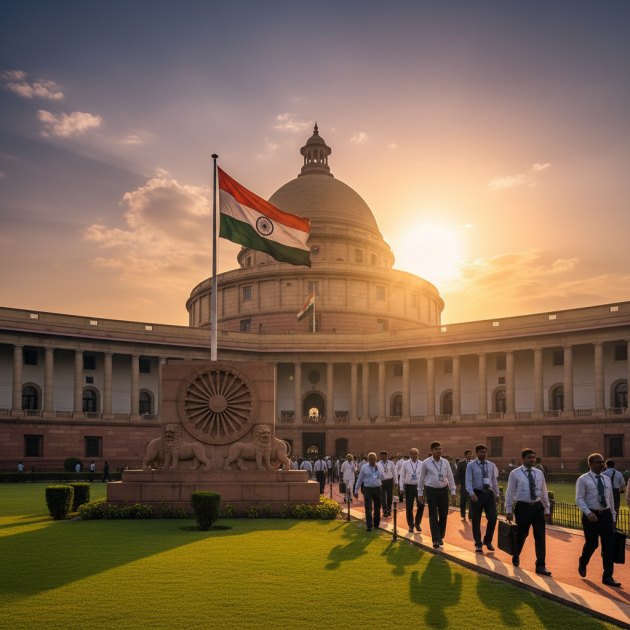
India Elections 2026: Key Issues, Modi Govt Policies & What to Expect
Did you know that the upcoming India elections 2026 could be one of the most pivotal moments in our nation's recent history? As we stand on the cusp of another electoral battle, the air is thick with anticipation, debate, and a healthy dose of uncertainty. For every Indian citizen, understanding the forces at play – the key issues, the promises made, and the potential outcomes – isn't just about staying informed; it's about shaping your future. This isn't just about choosing a government; it's about deciding the direction of our economy, our social fabric, and our standing on the global stage. Let's dive deep into what really matters for you and your family in the Indian political landscape ahead of 2026.
The Economic Crucible: Growth, Jobs, and Inflation
The economy is, and always will be, a central theme in any Indian election. For 2026, the narrative is likely to revolve around sustained growth, job creation, and managing inflation. The Modi government's economic policies have seen India emerge as one of the fastest-growing major economies, but the fruits of this growth need to be felt more broadly. You're likely wondering, "Will the jobs be there for my children?" and "Will my savings keep pace with rising prices?" These are valid concerns.
Sustaining Growth Amidst Global Headwinds
India has demonstrated remarkable resilience. Initiatives like 'Make in India' and the Production Linked Incentive (PLI) schemes aim to boost domestic manufacturing. However, global economic uncertainties, geopolitical tensions, and supply chain disruptions continue to pose challenges. The government's ability to navigate these external shocks while fostering domestic demand will be crucial. For instance, the performance of sectors like automotive and electronics, heavily reliant on global supply chains, will be closely watched.
The Jobs Conundrum
Job creation remains perhaps the most pressing issue. While economic growth is positive, translating it into sufficient employment opportunities, especially for the burgeoning youth population, is a significant hurdle. The informal sector, which employs a vast majority of Indians, often faces precarious conditions. The focus will be on policies that encourage formal job creation, skill development, and support for MSMEs, which are the backbone of our economy. Think about the sheer number of graduates entering the workforce each year – where will they find their footing? The government's strategy here, whether it's through public sector employment, incentivizing private sector hiring, or promoting entrepreneurship, will be a major election talking point.
Taming Inflation
The spectre of inflation looms large. Rising prices for essential commodities like food and fuel directly impact your household budget. While global factors often contribute, domestic policy plays a role in managing price stability. The Reserve Bank of India's monetary policy, coupled with government fiscal measures, will be under intense scrutiny. You've probably felt the pinch at the grocery store or the petrol pump. How effectively the government addresses these concerns will resonate deeply with voters.
Takeaway: Voters will be looking for concrete plans to ensure economic stability, create meaningful employment, and keep inflation in check. Your vote could hinge on which party offers the most convincing economic roadmap.
Social Justice and Welfare: Inclusivity and Equity
Beyond economic metrics, the India elections 2026 will undoubtedly focus on social justice, equity, and the welfare of all citizens. This encompasses a wide range of issues, from poverty alleviation and healthcare access to education and the rights of marginalized communities. The government's commitment to inclusive development will be on trial.
Poverty Alleviation and Direct Benefit Transfers
Schemes like the Pradhan Mantri Garib Kalyan Anna Yojana, which provides free food grains to the poor, have been lauded for their impact. The effectiveness and reach of such welfare programs will be a key differentiator. Are these schemes truly reaching the intended beneficiaries? Are they sustainable? The debate will likely center on the balance between direct cash transfers and in-kind benefits, and their long-term impact on poverty reduction.
Healthcare for All
The Ayushman Bharat scheme aims to provide healthcare cover to vulnerable families. Its implementation, accessibility, and quality of care will be critical. In a country where healthcare costs can be a major burden, a robust and affordable public health system is paramount. You might have personal experiences with government hospitals or health insurance schemes – how these have fared will influence your perspective.
Education and Skill Development
The National Education Policy (NEP) 2020 is a significant reform, aiming to revamp India's education system. Its implementation and impact on improving learning outcomes and skill development will be a talking point. Ensuring quality education from primary to higher levels, and equipping students with skills relevant to the modern job market, is vital for long-term national progress. This includes ensuring access to vocational training and higher education institutions.
Empowering Marginalized Communities
Issues concerning women's empowerment, the welfare of Scheduled Castes and Scheduled Tribes, and minority rights will also be at the forefront. Policies related to reservations, affirmative action, and ensuring equal opportunities will continue to be debated vigorously. For many, these are not just policy points but fundamental rights and matters of dignity.
Takeaway: Voters from all walks of life will be assessing which party or coalition demonstrates a genuine commitment to social justice, equitable development, and the well-being of every Indian.
Governance and Transparency: Trust and Accountability
In the Indian political landscape, trust in governance and the demand for transparency are perennial themes. Citizens want to know that their government is functioning efficiently, ethically, and accountably. The Modi government policies, like many before it, will be judged on their delivery and the integrity of their implementation.
Combating Corruption
Corruption remains a significant concern for many Indians. Any perceived lapses or successes in tackling corruption will heavily influence voter sentiment. Promises of clean governance and transparent processes will likely be strong campaign planks. Think about the impact of scams or successful anti-corruption drives you've witnessed – these leave a lasting impression.
Digital India and E-Governance
The push for Digital India has transformed service delivery. Initiatives like the Unified Payments Interface (UPI) and the Common Service Centres (CSCs) have made government services more accessible. The election will likely see a debate on expanding digital infrastructure, ensuring cybersecurity, and bridging the digital divide. How has your experience with online government services been? This practical aspect matters.
Federalism and Centre-State Relations
The balance of power between the Centre and the states is a recurring theme. Issues related to fiscal federalism, resource allocation, and the autonomy of states often become election issues, especially in regional contexts. How the central government collaborates with state governments will be closely observed.
Takeaway: A government perceived as transparent, accountable, and efficient in its service delivery will likely gain a significant trust advantage with the electorate.
National Security and Foreign Policy: India's Global Role
India's security and its evolving role on the world stage are critical aspects that voters consider. The ability of the government to protect national interests and navigate complex international relations will be under the spotlight during the India elections 2026.
Border Security and Defence Preparedness
Given the geopolitical climate, national security remains a top priority. Issues related to border management, defence modernization, and strategic partnerships will be key. The government's approach to maintaining peace and stability in the region, and its capacity to respond to threats, will be closely examined.
India's Global Standing
India's foreign policy, its relationships with major powers like the US, Russia, and China, and its role in international forums like the G20 and the UN, are increasingly important to the Indian populace. The government's ability to champion India's interests and project its influence globally will be a factor in voter calculus.
Climate Change and Energy Security
Climate change is no longer just an environmental issue; it's a national security and economic imperative. India's commitments to renewable energy, its energy security strategy, and its role in global climate negotiations will be significant. How will policies impact your energy bills and the environment you live in?
Takeaway: Voters will assess the government's competence in safeguarding national interests, both domestically and internationally, and its vision for India's future on the global stage.
The Political Arena: Alliances and Ideologies
The Indian political landscape is a dynamic tapestry of parties, alliances, and shifting ideologies. The 2026 elections will be shaped by these political forces, including the performance and strategies of major players like the BJP and the Congress, as well as regional parties.
The Dominant Players
The Bharatiya Janata Party (BJP), led by Prime Minister Narendra Modi, will likely seek a third consecutive term, banking on its track record and development agenda. The Indian National Congress, along with its allies, will aim to present a strong opposition, focusing on issues of economic inequality, social justice, and democratic values. You'll see intense campaigning from both sides, each highlighting their strengths and weaknesses.
The Rise of Regional Parties
Regional parties continue to play a crucial role, often holding the balance of power in coalition governments. Their influence in their respective states and their ability to forge alliances at the national level will be a key factor in determining the election outcome. Consider how regional aspirations are often intertwined with national politics.
Ideological Debates
The elections will also be a referendum on competing ideologies – from economic liberalism and social conservatism to secularism and nationalism. These debates shape the discourse and influence the choices voters make.
Takeaway: Understanding the key political players, their alliances, and their core ideologies is essential for grasping the broader electoral dynamics and predicting potential outcomes.
What to Expect: Potential Outcomes and Implications
Predicting election outcomes is always a challenging task, but we can outline potential scenarios and their implications for India's future. The Modi government policies, and the government that follows, will have far-reaching consequences.
Scenario 1: Continued Majority Government
If a single party or a pre-formed coalition secures a clear majority, it could lead to policy continuity and stable governance, allowing for the implementation of long-term reforms. However, it also raises questions about the strength of the opposition and parliamentary checks and balances.
Scenario 2: Coalition Government
A hung parliament or a coalition government could lead to a more consensus-based approach to policymaking, potentially slowing down reforms but ensuring broader representation. This scenario often involves complex negotiations and can lead to political uncertainty.
Implications for Domestic Policy
The outcome will directly influence economic reforms, social welfare programs, and governance initiatives. A stable majority might accelerate ambitious projects, while a coalition could necessitate compromise and broader consultation.
Implications for Foreign Policy
India's foreign policy stance, its strategic partnerships, and its approach to global challenges could also see shifts depending on the government in power. A strong, decisive mandate might allow for more assertive foreign policy, while a coalition might lead to a more cautious approach.
Takeaway: Regardless of the outcome, the 2026 elections will set the tone for India's governance, economic trajectory, and international relations for the next five years. Your informed participation is key.
Frequently Asked Questions (FAQ)
Q1: What are the most critical issues for voters in the 2026 Indian elections?
A1: Based on current trends and historical voter behavior, the most critical issues are likely to be economic concerns (inflation, employment, growth), social welfare (healthcare, education, poverty alleviation), national security, and good governance (transparency, anti-corruption measures). The specific weightage of each issue can vary by region and demographic group.
Q2: How might the Modi government's past policies influence the 2026 elections?
A2: The Modi government's policies, such as GST, demonetization, digital initiatives, welfare schemes (like Ayushman Bharat and PM-KISAN), and foreign policy alignments, will be key points of discussion. Voters will assess their perceived successes and failures. For example, the success of 'Make in India' and job creation figures will be heavily scrutinized. Similarly, the effectiveness of welfare programs will be a major factor for many segments of the population.
Q3: What is the role of regional parties in the Indian political landscape in 2026?
A3: Regional parties will continue to be crucial. They often hold significant sway in their respective states and can be kingmakers in a hung parliament scenario. Their ability to form alliances and their regional agendas will significantly impact the national political narrative and the formation of any potential coalition government.
Q4: How can I, as a citizen, stay informed and make an informed choice?
A4: Staying informed involves following reputable news sources, understanding the manifestos of different political parties, engaging in constructive discussions, and critically evaluating the information you receive. Look for balanced reporting and fact-check claims. Your local election commission's website also provides crucial information about the electoral process.
Q5: What are the potential implications of the 2026 election results for India's economy?
A5: The election outcome will significantly impact economic policy. A government with a clear mandate might pursue bolder reforms, potentially leading to faster growth but possibly with increased inequality. A coalition government might adopt a more cautious, consensus-driven approach. Key areas to watch include fiscal policy, regulatory reforms, infrastructure spending, and measures to control inflation and boost employment. Your personal financial decisions might be influenced by the economic direction set post-election.
Conclusion: Your Voice Matters
The India elections 2026 are more than just a political exercise; they are a profound affirmation of our democratic spirit. As you navigate the upcoming months, armed with this understanding of the key issues – from the economy and social justice to governance and national security – remember that your informed participation is the bedrock of our democracy. The Indian political landscape is complex, but your vote is a powerful tool to shape its future. Stay engaged, stay informed, and make your voice heard. The decisions made today will echo for years to come, impacting your life, your family's future, and the destiny of our incredible nation. Let's ensure it's a future we can all be proud of.