Uttar Pradesh Storm: 111 Killed, 72 Injured in Unprecedented Weather Fury
Uttar Pradesh Storm: 111 Killed, 72 Injured in Unprecedented Weather Fury
Can you imagine a single storm claiming over a hundred lives in a matter of hours? On May 15, 2026, Uttar Pradesh, India's most populous state, faced a devastating reality as violent storms swept across 26 districts, leaving a trail of destruction and claiming the lives of 111 people, with 72 others injured. This isn't just a weather report; it's a stark reminder of nature's fury and the urgent need for preparedness. As residents of Uttar Pradesh, understanding the impact of such extreme weather events, the immediate aftermath, and what we can do to stay safe is crucial. This article dives deep into the heart of the crisis, offering a comprehensive look at the Uttar Pradesh storm, its devastating consequences, and the ongoing relief efforts.
The Fury Unleashed: Understanding the Uttar Pradesh Storm of May 15, 2026
The afternoon of May 15, 2026, began like many other late spring days in Uttar Pradesh – hot and humid. However, by late afternoon, the sky turned an ominous dark grey, and the winds began to howl. What followed was a catastrophic display of nature's power. Violent storms, characterized by intense thunderstorms, high-velocity winds reaching up to 100 kmph, and heavy rainfall, lashed across the state. The districts of Agra, Firozabad, Etah, and Mathura bore the brunt of this meteorological onslaught, but the impact was felt far and wide, affecting 26 districts in total.
The Immediate Impact: Devastation in Minutes
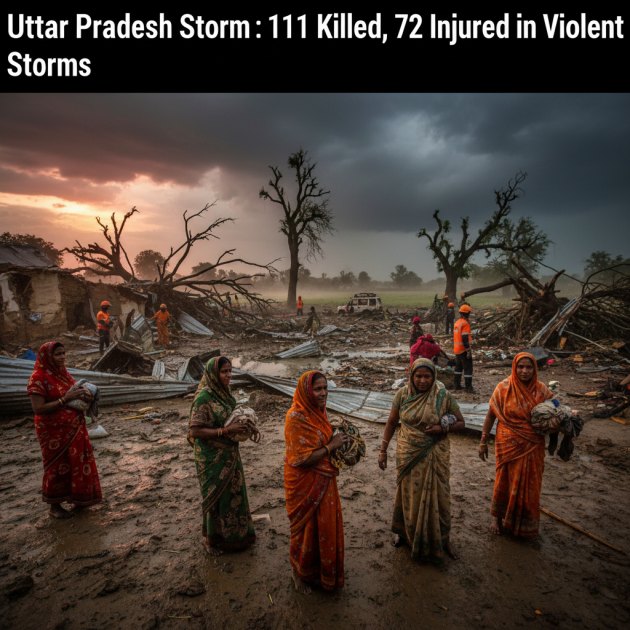
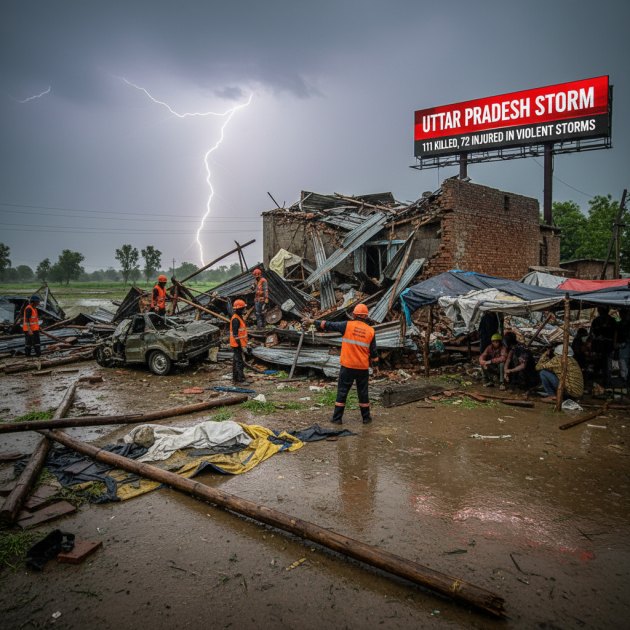
In a terrifyingly short span, homes were reduced to rubble, trees were uprooted, and power lines were downed, plunging vast areas into darkness. The sheer ferocity of the winds meant that even sturdy structures were not spared. Farmers, who were already battling the heat and anticipating the monsoon, saw their standing crops, the very source of their livelihood, flattened in minutes. The UP weather took a brutal turn, leaving behind a landscape of devastation.
Consider the plight of a farmer in a village near Agra. He might have been tending to his fields, hopeful for a good harvest, only to see his entire year's effort washed away or destroyed by the gale-force winds. This is the stark reality faced by thousands across Uttar Pradesh. The storm didn't just damage property; it shattered lives, dreams, and livelihoods.
Why This Storm Was So Severe
Experts point to a confluence of factors that contributed to the extreme nature of this storm. The prevailing high temperatures in the preceding days created atmospheric instability. When this unstable, hot air met cooler air masses, it led to the rapid development of severe thunderstorms. The interaction of these atmospheric conditions, possibly exacerbated by localized weather patterns, resulted in the exceptionally high wind speeds and destructive power witnessed. The UP weather patterns have been showing increasing volatility, a trend that concerns meteorologists.
Takeaway: Extreme weather events, like the Uttar Pradesh storm, are becoming more frequent and intense. Understanding the meteorological conditions behind them helps us appreciate the scale of the disaster and the importance of preparedness.
The Human Toll: Lives Lost and Families Shattered
The most tragic aspect of this Uttar Pradesh storm is the loss of human life. As of May 16, 2026, official reports confirm 111 deaths. These are not just statistics; they are mothers, fathers, children, and friends whose lives were cut short by the sudden onslaught of nature's fury. The injured count stands at 72, many of whom are receiving critical medical care.
Stories from the Ground: Resilience Amidst Tragedy
Behind every number is a story. In Firozabad, a family narrowly escaped their collapsing home, but not without losing their livestock and their shelter. In Etah, a group of villagers recounted how they huddled together in a community hall as the storm raged outside, praying for safety. These personal accounts highlight the terror and helplessness experienced by those caught in the path of the violent storms.
Imagine a mother shielding her child with her own body as debris flew around them. These are the moments of raw survival that define such disasters. The resilience shown by the people of Uttar Pradesh in the face of such adversity is truly commendable. They are not just victims; they are survivors picking up the pieces.
Immediate Needs: Medical Aid and Shelter
The immediate aftermath of such a disaster is critical. Those injured require urgent medical attention. Hospitals in the affected districts are working round the clock, but the sheer number of casualties has put a strain on resources. Beyond medical care, thousands have been displaced, losing their homes and belongings. Providing temporary shelter, food, and clean water is paramount in the initial recovery phase.
Takeaway: The human cost of natural disasters is immense. Our thoughts and support go out to the affected families. In times of crisis, immediate relief efforts focusing on medical aid and shelter are life-saving.
Damage Assessment: A Landscape of Ruin
The physical damage caused by the Uttar Pradesh storm is extensive. The 26 affected districts have reported widespread destruction of infrastructure, homes, and agricultural land. The economic impact will be felt for months, if not years, to come.
Homes and Infrastructure: The Backbone Broken
Thousands of houses, particularly those made of mud or less robust materials, have been severely damaged or completely destroyed. This leaves countless families without a roof over their heads. Beyond residential areas, roads have been blocked by fallen trees and debris, hampering rescue operations. Electricity poles have been uprooted, leading to prolonged power outages, which further complicates relief efforts and daily life.
Think about a small village where the only road connecting it to the nearest town is blocked. This isolation makes it difficult for essential supplies and medical help to reach the affected population. The government and local authorities are working tirelessly to clear these blockages and restore essential services.
Agricultural Losses: A Blow to the Breadbasket
Uttar Pradesh is a major agricultural state, and the timing of this storm was particularly devastating for farmers. Standing crops of wheat, mustard, and other early summer harvests were flattened. The damage to orchards and stored grains adds to the economic hardship. For many rural families, agriculture is their sole source of income, and these losses can have long-term consequences, pushing them further into debt and poverty.
Consider the impact on a farmer who had taken a loan to cultivate his land, only to see his entire crop destroyed. The Uttar Pradesh storm has not only caused immediate devastation but has also created a looming economic crisis for the agricultural sector. Accurate assessment of these losses is vital for implementing effective relief and rehabilitation programs.
Power Outages and Communication Disruptions
The violent storms also wreaked havoc on power infrastructure. Widespread power outages have affected not only homes but also essential services like hospitals and water pumping stations. Communication networks, including mobile towers, have also been damaged in some areas, making it difficult for people to contact their loved ones or for authorities to coordinate relief efforts. Restoring power and communication is a top priority for the government.
Takeaway: The damage assessment is crucial for planning relief and rehabilitation. It helps authorities understand the scale of the problem and allocate resources effectively to rebuild homes, restore infrastructure, and support the agricultural sector.
Rescue and Relief Operations: The State's Response
In the face of such a massive disaster, a swift and coordinated response is essential. The government of Uttar Pradesh, in collaboration with central agencies and local administrations, has mobilized resources for rescue and relief operations.
Immediate Deployment of Teams
Disaster response teams, including the National Disaster Response Force (NDRF) and State Disaster Response Force (SDRF), have been deployed to the worst-hit areas. These teams are equipped to handle search and rescue operations, clear debris, and provide immediate assistance. Medical teams have also been dispatched to set up temporary medical camps and provide first aid to the injured.
You can imagine these brave NDRF personnel wading through knee-deep water or clearing heavy debris with their bare hands to rescue trapped individuals. Their dedication in such challenging circumstances is truly heroic.
Government Assistance and Support
The Uttar Pradesh government has announced compensation for the next of kin of those who lost their lives and for those who suffered injuries. Relief packages, including essential supplies like food, water, and temporary shelter materials, are being distributed to the affected population. The focus is on ensuring that no one is left without basic necessities.
The Chief Minister's Office and the Prime Minister's Office have been closely monitoring the situation, coordinating efforts, and ensuring that relief reaches the needy as quickly as possible. Such coordinated efforts are vital in mitigating the impact of the Uttar Pradesh storm.
The Role of NGOs and Volunteers
Beyond government efforts, Non-Governmental Organizations (NGOs) and local volunteers are playing a significant role in providing aid. They are often on the ground quickly, offering immediate support, distributing food, water, and clothing, and providing emotional comfort to those who have lost everything. Your support, if you are able, can make a difference.
Takeaway: A multi-pronged approach involving government agencies, disaster response forces, and community participation is key to effective disaster management. Every bit of help counts in these trying times.
Preparing for the Unpredictable: Lessons from the Uttar Pradesh Storm
While we cannot stop natural disasters, we can certainly take steps to mitigate their impact and protect ourselves and our families. The Uttar Pradesh storm serves as a harsh lesson in the importance of disaster preparedness.
Strengthening Homes and Infrastructure
For homeowners, especially in regions prone to high winds and storms, reinforcing homes is crucial. This could involve ensuring roofs are securely fastened, windows are impact-resistant, and trees near the house are properly pruned to prevent them from falling. For communities, better urban planning and building codes that account for extreme weather events are essential.
Think about your own home. Are your windows secured? Are there large trees that could pose a risk? Taking small steps can significantly enhance your safety during severe weather. Your safety is paramount.
Early Warning Systems and Evacuation Plans
Effective early warning systems are critical. When the India Meteorological Department (IMD) issues alerts for severe weather, it's important to take them seriously. Families should have a plan in place for what to do during a storm, including identifying safe places to take shelter and having an evacuation route if necessary. Knowing how to access weather updates through radio, TV, or mobile alerts can save lives.
For instance, if you live in a low-lying area prone to flooding during heavy rains, you should know the nearest evacuation center and the safest route to get there. Having a family communication plan is also vital, especially if you get separated.
Community Preparedness and Awareness
Building community resilience is a collective effort. Educating communities about potential risks and preparedness measures can empower them to respond effectively. Local authorities can conduct drills and awareness campaigns. Neighbor helping neighbor is often the first line of defense in any crisis.
Imagine a neighborhood where everyone knows each other's contact details and has a plan to check on vulnerable residents during an emergency. This sense of community preparedness can make a world of difference.
What You Can Do Now
Here are some practical steps you can take:
- Stay Informed: Regularly check weather forecasts and heed warnings from official sources.
- Prepare an Emergency Kit: Stock up on essentials like water, non-perishable food, a first-aid kit, flashlights, batteries, and a battery-powered radio.
- Secure Your Home: Reinforce windows and doors, trim trees, and secure outdoor items that could become projectiles.
- Develop a Family Plan: Discuss evacuation routes and meeting points with your family. Ensure everyone knows how to contact each other.
- Community Involvement: Participate in local disaster preparedness initiatives.
Takeaway: Preparedness is not a one-time action but an ongoing process. By taking proactive steps, you can significantly reduce your vulnerability to extreme weather events and help your community become more resilient.
FAQ: Your Questions Answered on the Uttar Pradesh Storm
We understand you might have many questions about this devastating event. Here are answers to some common queries:
Q1: What were the main causes of the Uttar Pradesh storm on May 15, 2026?
A1: The storm was primarily caused by a combination of high atmospheric temperatures leading to instability, and the interaction of hot, humid air with cooler air masses. This created conditions for severe thunderstorms with high-velocity winds and heavy rainfall. Factors like localized weather patterns may have also played a role in intensifying the storm.
Q2: Which districts were most affected by the violent storms?
A2: The districts that bore the brunt of the storm included Agra, Firozabad, Etah, and Mathura. However, the impact was widespread, affecting a total of 26 districts across Uttar Pradesh. The UP weather report indicated severe conditions across a large geographical area.
Q3: What is the current status of rescue and relief operations?
A3: Rescue and relief operations are in full swing. Disaster response teams are working on the ground to provide assistance, clear debris, and ensure essential supplies reach affected areas. Medical teams are treating the injured, and temporary shelters are being established for those who lost their homes. The government is coordinating these efforts closely.
Q4: How can I help those affected by the Uttar Pradesh storm?
A4: You can help by donating to reputable relief organizations working in the affected areas. Contributions of essential items like clothing, blankets, and non-perishable food can also be valuable. Volunteering with local NGOs or community groups is another way to make a direct impact. Always check with official channels for donation requests to ensure your contribution is used effectively.
Q5: What are the long-term implications of such extreme weather events for Uttar Pradesh?
A5: The long-term implications are significant. There will be a considerable economic impact due to agricultural losses and damage to infrastructure. The state will need to invest heavily in rebuilding and strengthening its infrastructure to withstand future extreme weather. Furthermore, there is a need for enhanced disaster preparedness and early warning systems to minimize casualties and damage in the future. The changing UP weather patterns suggest that such events may become more common.
Conclusion: Building a Resilient Uttar Pradesh
The Uttar Pradesh storm of May 15, 2026, was a tragic event that has deeply impacted thousands of lives. The loss of 111 lives and the widespread destruction serve as a somber reminder of our vulnerability to nature's power. However, in the face of such adversity, the resilience and spirit of the people of Uttar Pradesh shine through. The ongoing rescue and relief efforts highlight the strength of our communities and the determination of our authorities.
As we move forward, it is imperative that we learn from this disaster. Investing in robust infrastructure, strengthening our early warning systems, and fostering a culture of preparedness at both individual and community levels are not just recommendations; they are necessities. The future of Uttar Pradesh, and indeed any region prone to extreme weather, depends on our ability to adapt and build resilience. Let us all commit to being better prepared, supporting each other, and working together to create a safer and more secure future for everyone.