Swiggy Zomato Blinkit Zepto Strike Today: Fuel Prices Hit Delivery Workers
Swiggy, Zomato, Blinkit, Zepto Workers Strike Today Over Fuel Prices: Your Food Delivery Might Be Delayed!
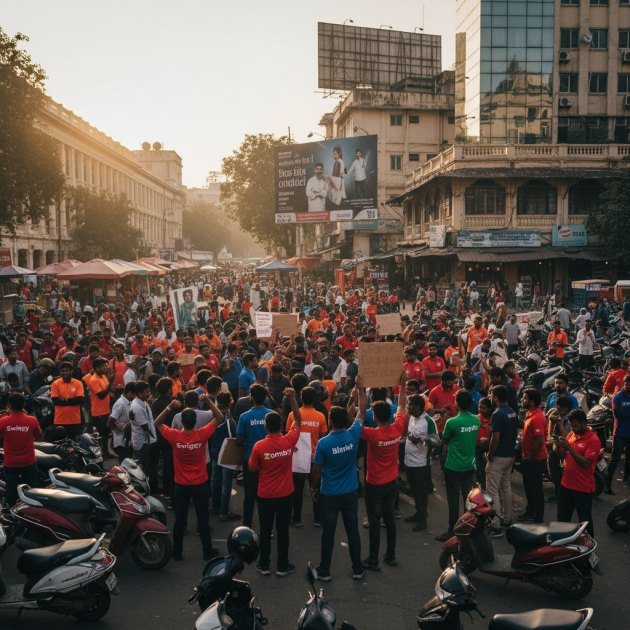
Did you know that the very person bringing your piping hot biryani or your late-night ice cream to your doorstep could be struggling to afford the fuel to get it there? On this day, May 17, 2026, a significant disruption is hitting India's bustling metros and quiet towns alike. Swiggy, Zomato, Blinkit, and Zepto delivery workers are staging a nationwide strike, and the primary reason is the relentless surge in fuel prices. This isn't just about their wallets; it's about their livelihoods, and it directly impacts your convenience. Let's dive deep into why this Swiggy Zomato strike is happening, what the delivery partners are demanding, and how it might affect your daily life.
The Boiling Point: Why Are Delivery Workers Striking Today?
For months, the cost of petrol and diesel in India has been on an upward trajectory, making it increasingly difficult for delivery partners to sustain their operations. These workers, who form the backbone of India's booming food and grocery delivery ecosystem, operate on tight margins. Their earnings are directly linked to the number of deliveries they complete, and a substantial chunk of that earning is now being consumed by fuel costs. Imagine driving your two-wheeler for 8-10 hours a day, navigating traffic, making multiple stops, only to realize that a significant portion of your hard-earned money is vanishing into your fuel tank. This is the harsh reality for thousands of delivery personnel across the country.
Fuel Price Hike India: The Numbers Don't Lie
Let's look at some numbers to understand the gravity of the situation. Over the past year, petrol prices have seen a staggering increase of nearly 20-25% in major Indian cities, while diesel has followed suit. For a delivery executive covering an average of 100-150 kilometers daily, this translates into an additional expense of ₹300-₹500 per day, depending on the vehicle's mileage and the fluctuating fuel rates. When you factor in other operational costs like vehicle maintenance, insurance, and mobile data, the daily take-home pay shrinks dramatically. What was once a viable earning opportunity is fast becoming a financial strain.
The Gig Economy Squeeze
The gig economy, while offering flexibility, often comes with precarious working conditions. Delivery partners are typically not full-time employees but independent contractors. This means they don't receive benefits like health insurance, paid leave, or provident fund contributions. Their income is purely commission-based and heavily dependent on the number of orders they complete. When fuel prices skyrocket, platforms often don't compensate for the increased operational costs, pushing the burden entirely onto the workers. This systemic issue is a major catalyst for the current Blinkit Zepto strike.
Practical Takeaway: If you often rely on food or grocery delivery, be prepared for potential delays or unavailability of services today. It's a good day to perhaps try your hand at cooking or stepping out yourself.
Demands of the Delivery Partners: More Than Just Fuel
While the immediate trigger for the strike is the fuel price hike India, the demands of the Swiggy, Zomato, Blinkit, and Zepto workers extend beyond just fuel subsidies. They are calling for a more sustainable and fair compensation structure that accounts for their operational costs and the increasing cost of living.
Fair Compensation and Incentives
Delivery partners are demanding an increase in their per-delivery payout. They argue that the current rates have not been revised in years, despite rising inflation and operational expenses. Many are asking for a fixed daily or weekly allowance to cover fuel costs, or a dynamic pricing model that adjusts payouts based on real-time fuel prices. Additionally, they are seeking better incentive structures, especially for working during peak hours or in adverse weather conditions, which are currently inadequate.
Improved Working Conditions and Safety
Beyond financial concerns, the workers are also highlighting issues related to working conditions. This includes demands for better safety measures on the road, such as providing helmets and high-visibility vests. They are also asking for more transparent algorithms that determine order allocation and delivery times, as opaque systems can sometimes lead to unfair workload distribution. The lack of a robust grievance redressal mechanism is another point of contention. When issues arise, workers often find it difficult to get a fair hearing or timely resolution.
Health and Social Security Benefits
A significant demand is for basic social security benefits. Many delivery partners work long hours, exposing themselves to health risks. They are asking the companies to provide health insurance, accident cover, and perhaps even contributions towards a retirement fund. This would provide a much-needed safety net for them and their families, acknowledging their contribution to the companies' success.
Real-World Scenario: Consider Rajesh, a Zomato delivery partner in Mumbai. He covers over 120 km daily. With petrol prices at ₹115/litre, his daily fuel expense alone is around ₹400. After factoring in vehicle maintenance and his mobile bill, his net earning for the day often falls below ₹500, even after working 10-12 hours. He's been part of the delivery network for three years and feels the compensation hasn't kept pace with his rising costs.
Practical Takeaway: When you order today, if you encounter a delay, remember the challenges these workers face. A little patience and understanding go a long way. If possible, consider adding a slightly larger tip to compensate for their efforts.
Impact on Services: Your Daily Convenience Disrupted
The Swiggy Zomato strike and the parallel action by Blinkit and Zepto workers mean that your usual go-to options for food and groceries might be unavailable or significantly delayed today. This disruption is felt across urban India, where millions rely on these services for their daily needs.
Food Delivery Delays and Cancellations
With a large number of delivery partners off the roads, expect longer waiting times for your food orders. Many restaurants might also see a dip in orders fulfilled, leading to frustration for both customers and eateries. In some areas, services might be completely suspended, forcing people to find alternative ways to get their meals. This could mean reaching out to friends, ordering from local eateries directly if possible, or resorting to home cooking.
Grocery and Essentials Shortages
The impact extends to quick-commerce platforms like Blinkit and Zepto. Your planned grocery run might be disrupted, leading to potential shortages of essential items. For those who depend on these services for daily necessities, this can be a significant inconvenience. Imagine needing milk for your morning tea or baby food and finding out that your usual delivery app is not operational.
Economic Repercussions for Restaurants and Businesses
It's not just the delivery workers and consumers who are affected. Restaurants and small businesses that rely heavily on these platforms for orders will also face economic losses. Reduced order volumes mean lower revenue, impacting their ability to pay staff and cover operating costs. This ripple effect underscores the interconnectedness of the entire delivery ecosystem.
Comparison: A Typical Day vs. Strike Day
| Service Aspect | Typical Day | Strike Day (May 17, 2026) |
|---|---|---|
| Delivery Time | 30-45 minutes | 60-120+ minutes or unavailable |
| Order Availability | High | Reduced, potential cancellations |
| Delivery Partner Availability | High | Significantly low |
| Customer Experience | Convenient, timely | Frustrating, inconvenient |
Practical Takeaway: Plan ahead. If you anticipate needing groceries or a specific meal, try to order well in advance or consider alternatives for today. Stocking up on non-perishable items can be a good practice for such eventualities.
Government Response and Company Statements: What's Being Said?
As the strike gains momentum, all eyes are on the government and the delivery companies to see how they will respond. The pressure is mounting for a resolution that addresses the concerns of the delivery partners.
Government's Role and Potential Interventions
The government, particularly the Ministry of Labour and Employment, is expected to play a crucial role. While fuel prices are largely determined by global crude oil rates and central/state taxes, the working conditions and compensation of gig workers fall under a grey area. There have been discussions in the past about regulating the gig economy and providing social security to these workers. Today's strike might push the government to expedite these policy changes. This could involve initiating dialogue between the companies and the workers' representatives, or even issuing directives to ensure fair practices.
Company Standpoints: Promises and Challenges
Swiggy, Zomato, Blinkit, and Zepto have all issued statements acknowledging the concerns of their delivery partners. They often highlight the challenges of operating in a competitive market and the efforts they've made to support their workforce. Companies might point to existing incentive programs or temporary fuel allowances. However, workers often argue that these measures are insufficient and short-lived. The companies also face the challenge of maintaining profitability while addressing these demands, especially given the thin margins in the quick-commerce and food-delivery sectors.
Example: In previous instances of such strikes, companies have sometimes offered one-time bonuses or small increases in per-delivery fees. However, these solutions are often temporary and don't address the core issues of sustainable income and social security.
Practical Takeaway: Stay updated through reliable news sources. The government's response and company statements will shape the future of work for delivery partners. Your awareness matters.
The Future of Delivery Work in India: What Lies Ahead?
This strike is more than just a one-day event; it's a symptom of larger issues within India's rapidly expanding gig economy. The demands of the delivery workers highlight the need for a more robust framework to protect and support gig workers.
Towards Better Regulation and Worker Rights
There's a growing consensus that the gig economy needs better regulation. This could involve classifying gig workers as employees or providing them with specific rights and benefits akin to formal employment. Policies like the Code on Social Security, 2020, aim to address this by bringing gig and platform workers under its ambit, mandating provisions for social security. However, effective implementation remains key.
The Role of Technology and Collective Bargaining
Technology plays a dual role. While it enables platforms to operate efficiently, it also creates a distance between management and workers. However, technology can also empower workers through digital platforms for organizing and collective bargaining. Unions and worker collectives are becoming increasingly vocal, using social media and online forums to coordinate actions and voice their demands.
What You Can Do as a Consumer
As consumers, our choices and actions can influence the situation. While convenience is important, understanding the challenges faced by the people who serve us is crucial. Supporting fair practices, being patient during disruptions, and advocating for better worker rights can contribute to a more equitable gig economy.
Practical Takeaway: Consider the broader implications of your consumption habits. Supporting companies that demonstrate fair treatment of their workers can make a difference in the long run.
Frequently Asked Questions (FAQ) about the Delivery Workers Strike
-
Why are Swiggy, Zomato, Blinkit, and Zepto workers on strike today?
The primary reason for the nationwide strike on May 17, 2026, is the sharp increase in fuel prices (petrol and diesel), which has significantly increased their operational costs. Additionally, workers are demanding better pay, improved working conditions, and social security benefits.
-
Will my food and grocery orders be affected?
Yes, you can expect significant delays in food and grocery deliveries. In many areas, services might be temporarily unavailable or heavily impacted due to a large number of delivery partners participating in the strike.
-
What are the specific demands of the delivery partners?
Their demands include a hike in per-delivery charges, a fuel allowance or dynamic pricing based on fuel costs, better incentive structures, improved safety measures, transparent work allocation, and access to social security benefits like health insurance and accident cover.
-
What is the government's stance on this strike?
The government is expected to monitor the situation closely and may intervene by facilitating dialogue between the delivery companies and the workers. Past policies like the Code on Social Security, 2020, aim to provide social security to gig workers, and this strike might push for faster implementation or new regulations.
-
How can I support the delivery workers?
You can show your support by being patient and understanding if your orders are delayed. Consider offering a higher tip if possible. In the long run, supporting companies that prioritize fair treatment of their workers and advocating for better gig worker rights can make a difference.
-
Are these companies responsible for fuel costs?
Typically, delivery platforms do not directly cover fuel costs. Delivery partners bear these expenses themselves, which is why the current fuel price hike is a major concern. Some platforms might offer occasional bonuses or allowances, but these are not standard practice.
Conclusion: A Call for Fair Play in the Gig Economy
The Swiggy Zomato strike, alongside the participation of Blinkit and Zepto workers, is a crucial moment for India's gig economy. It shines a spotlight on the vital contributions of delivery partners and the precarious conditions many of them endure. The relentless rise in fuel price hike India has pushed them to a point where they can no longer absorb the costs alone. Their demands for fair compensation, better working conditions, and social security are not unreasonable; they are essential for a sustainable livelihood.
As consumers, we have a role to play. While we value the convenience these services offer, we must also acknowledge the human element behind them. A little patience today, a slightly larger tip, and continued awareness about worker rights can send a powerful message. We urge the delivery companies and the government to engage in constructive dialogue and work towards solutions that ensure fair wages and social security for these essential workers. The future of efficient and ethical delivery services in India depends on it. Let's hope for a swift resolution that benefits everyone involved.
Disclaimer: This article is for informational purposes only and does not constitute financial, legal, or professional advice. The situation regarding the strike is dynamic and subject to change.