India Heatwave Alert: Noida, Ghaziabad Face 'Worse Than Loo' Conditions
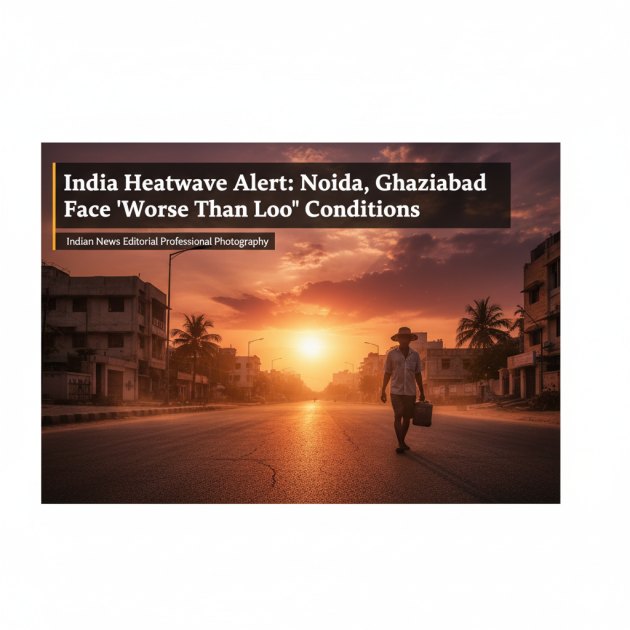
India Heatwave Alert: Noida, Ghaziabad Face 'Worse Than Loo' Conditions
Can you imagine stepping outside and feeling like you’ve walked into an oven? That's precisely the reality for millions across North India right now. On May 21, 2026, the mercury is not just rising; it's soaring, with cities like Noida and Ghaziabad experiencing temperatures that meteorologists are describing as 'worse than Loo' conditions. This isn't just a fleeting hot spell; it's a severe India heatwave that demands your immediate attention. With temperatures touching a blistering 47.6 degrees Celsius in some parts of the country, understanding the 'why' and 'how' to cope is no longer optional – it's essential for your health and well-being.
This article will delve deep into the current Noida heatwave and Ghaziabad heatwave, explore the science behind these punishing temperatures, including the significant El Nino effect, and most importantly, equip you with practical, actionable tips to stay safe and healthy during this extreme weather event. We'll break down what 47.6 degrees Celsius really means for your body and your daily life, and what you can do right now.
The Unrelenting Grip of the India Heatwave: What the Numbers Say
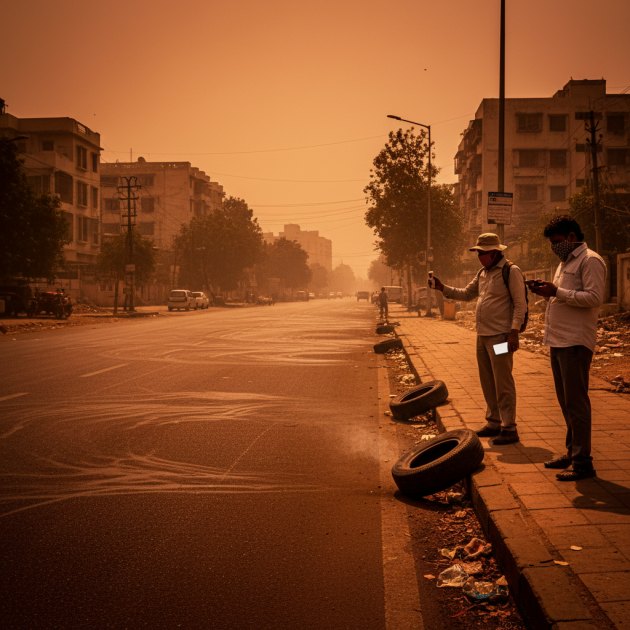
The India Meteorological Department (IMD) has issued red alerts for several northern states, and the numbers are stark. Cities like Noida and Ghaziabad are not just experiencing high temperatures; they are in the throes of a brutal heatwave. Residents are reporting feeling temperatures that are significantly higher than the actual mercury reading due to factors like humidity and the urban heat island effect. The phrase 'worse than Loo' – referring to the hot, dry, and often dust-laden wind that sweeps across North India during summer – signifies an intensity that can be dangerous.
Understanding the 'Loo' and Beyond
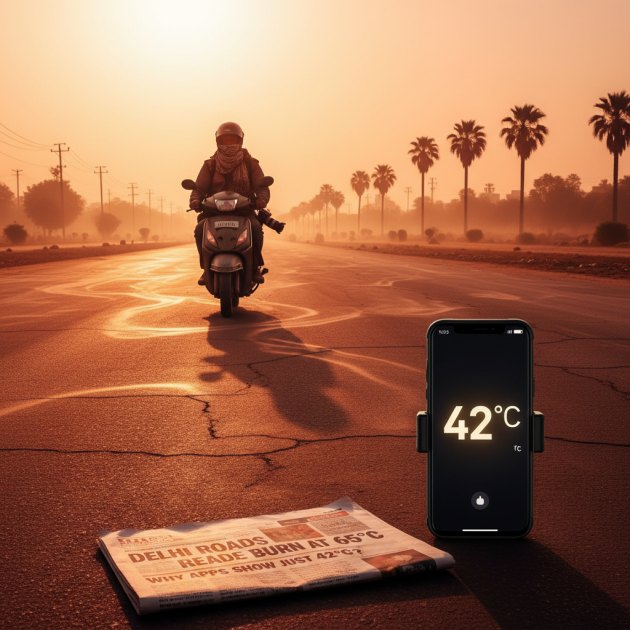
The Loo, a common phenomenon in North India, is characterized by extremely high temperatures, often exceeding 40°C, coupled with dry winds. However, current conditions are amplifying this. When high temperatures combine with prolonged dry spells and increased humidity in certain microclimates, the perceived temperature, or 'feels-like' temperature, can be much higher, leading to severe heat stress. For instance, on a day when the mercury officially reads 45°C, the 'feels-like' temperature in a congested urban area with poor ventilation and high humidity could easily push towards 50°C or more.
Noida and Ghaziabad: Ground Zero
Noida and Ghaziabad, being densely populated urban areas with significant concrete infrastructure, are particularly susceptible to the urban heat island effect. This means that cities absorb and retain more heat than surrounding rural areas. Buildings, roads, and other man-made surfaces heat up during the day and release this heat slowly at night, preventing temperatures from dropping significantly. This creates a vicious cycle of extreme heat, especially during a widespread heatwave. Residents in these areas are advised to take extreme precautions.
Takeaway: Recognize that the reported temperature is often an underestimate of the actual heat stress you might experience, especially in urban environments like Noida and Ghaziabad. Always factor in the 'feels-like' temperature.
The Science Behind the Scorcher: El Nino and Climate Change
While heatwaves are a cyclical part of India's summer, the intensity and duration of the current India heatwave are concerning. Experts point to a confluence of factors, with the El Nino effect playing a significant role. But climate change is the overarching amplifier, making these events more frequent and severe.
El Nino's Influence
El Nino is a climate pattern that describes the unusual warming of surface waters in the eastern tropical Pacific Ocean. This phenomenon has a ripple effect across the globe, influencing weather patterns. For India, El Nino typically correlates with warmer temperatures and a potentially weaker monsoon. While its direct impact on the pre-monsoon heatwave is complex, a warmer global climate exacerbated by El Nino creates the perfect conditions for extreme heat events. The El Nino effect can disrupt normal atmospheric circulation, leading to prolonged periods of high-pressure systems that trap hot air over regions like North India.
Climate Change: The Great Amplifier
Scientists have long warned that climate change, driven by human activities like burning fossil fuels, is increasing the frequency and intensity of extreme weather events, including heatwaves. The 47.6 degrees India readings are not isolated incidents but symptoms of a larger, global warming trend. As the planet's average temperature rises, the baseline for extreme heat also shifts upwards, making record-breaking temperatures more likely. This means that what was once considered an extreme heat event could become the new normal if we don't act.
Takeaway: Understand that this heatwave is influenced by both natural climate cycles like El Nino and the persistent, long-term trend of global warming. Both require attention and adaptation.
Surviving the Heat: Practical Tips for Your Daily Life
When temperatures soar to dangerous levels, your primary focus must be on protecting yourself and your loved ones. Here are some tried-and-tested tips that can make a significant difference in how you cope with this severe Noida heatwave and Ghaziabad heatwave.
Hydration is Key
This cannot be stressed enough. Your body loses water rapidly through sweat. Dehydration can lead to heat exhaustion, heatstroke, and in severe cases, can be fatal.
- Drink Water Constantly: Don't wait until you feel thirsty. Sip water throughout the day. Carry a reusable water bottle with you everywhere.
- Electrolytes Matter: Plain water is good, but for prolonged exposure or heavy sweating, consider ORS (Oral Rehydration Solution), nimbu pani (lemonade), lassi, coconut water, or buttermilk. These help replenish lost salts and minerals.
- Avoid Dehydrating Drinks: Steer clear of alcohol, caffeine (tea, coffee), and sugary sodas. They can actually dehydrate you further.
Beat the Heat at Home and Work
Your living and working spaces can become traps if not managed correctly.
- Stay Indoors: If possible, limit your outdoor activities, especially between 10 AM and 4 PM, the hottest part of the day.
- Ventilation is Crucial: Keep your home cool by closing curtains and blinds during the day to block sunlight. Open windows at night when the air is cooler to allow ventilation. Use fans to circulate air.
- Cool Showers/Sponging: Take cool showers or sponge baths to lower your body temperature. Even a wet cloth on your neck, wrists, and forehead can provide relief.
- Wear Light Clothing: Opt for loose-fitting, lightweight, and light-colored cotton clothes. They allow your skin to breathe and reflect sunlight.
Dietary Adjustments
What you eat can impact how well your body handles the heat.
- Eat Light and Frequent Meals: Heavy, hot meals can increase your body temperature. Opt for salads, fruits, and easily digestible foods.
- Incorporate Cooling Foods: Watermelon, cucumbers, yogurt, and mint are excellent choices that have a natural cooling effect.
Takeaway: Proactive hydration, smart home cooling, and conscious dietary choices are your first line of defense against the heat.
Protecting Vulnerable Populations: A Community Responsibility
While the India heatwave affects everyone, some groups are far more vulnerable to its dangers. Children, the elderly, pregnant women, outdoor workers, and individuals with chronic illnesses are at a higher risk of heat-related illnesses. It's our collective responsibility to look out for them.
Who is Most at Risk?
- Elderly: Their bodies may not regulate temperature as effectively, and they might have underlying health conditions.
- Infants and Young Children: They have a higher surface-area-to-volume ratio, making them lose fluids faster.
- Outdoor Workers: Construction workers, farmers, delivery personnel, and sanitation workers face prolonged exposure.
- Individuals with Chronic Illnesses: Heart disease, respiratory problems, kidney issues, and diabetes can be exacerbated by heat.
- Pregnant Women: Heat stress can pose risks to both the mother and the fetus.
How You Can Help
- Check on Neighbors: Especially the elderly or those living alone. Ensure they have access to water and a cool place.
- Advocate for Breaks: For outdoor workers, ensure employers provide adequate breaks in shaded areas and access to water.
- Educate Your Community: Share information about heat safety with family, friends, and colleagues.
- Provide Shade and Water: If you own a business or manage public spaces, ensure shaded areas and drinking water are available.
Takeaway: Be mindful of those around you who might be more susceptible to heat stress and take steps to support them.
When Heat Becomes a Health Hazard: Recognizing Symptoms
Understanding the signs of heat-related illnesses is crucial. Prompt recognition and action can prevent serious complications. The progression from mild discomfort to a life-threatening condition can be rapid.
Heat Cramps
These are painful muscle spasms, usually in the legs and abdomen, that occur during or after strenuous activity in the heat.
- Symptoms: Muscle pain or spasms.
- What to do: Stop activity, rest in a cool place, drink clear juice or an electrolyte replacement drink. Gently stretch and massage the affected muscle.
Heat Exhaustion
This is a more serious condition that can develop after several days of exposure to high temperatures.
- Symptoms: Heavy sweating, pale, clammy skin, nausea or vomiting, muscle cramps, tiredness or weakness, dizziness, headache, fainting.
- What to do: Move to a cooler environment. Lie down and loosen your clothing. Apply cool, wet cloths to your body or take a cool bath. Sip water. Seek medical attention if symptoms worsen or persist for more than an hour.
Heatstroke
This is the most severe heat-related illness and is a medical emergency. It occurs when the body's temperature regulation system fails.
- Symptoms: High body temperature (103°F or higher), hot, red, dry or damp skin, fast, strong pulse, headache, dizziness, nausea, confusion, unconsciousness.
- What to do: Call for emergency medical help immediately (dial 112 or your local emergency number). While waiting, move the person to a cooler place. Try to cool the person rapidly using whatever methods you can. Use a cool bath or shower, or immerse the person in a tub of cool water. Sponge with cool water. Fan vigorously.
Takeaway: Educate yourself and your family on the symptoms of heat-related illnesses and know when to seek immediate medical help.
Looking Ahead: Long-Term Strategies for a Hotter Future
The current India heatwave is a stark reminder that we need to prepare for a future where such extreme events are more common. This requires both individual adaptation and systemic changes.
Urban Planning and Infrastructure
Cities like Noida and Ghaziabad need to invest in 'cool infrastructure'. This includes:
- Green Spaces: Increasing parks, tree cover, and urban forests helps reduce temperatures.
- Cool Pavements and Roofs: Using reflective materials can significantly lower surface temperatures.
- Water Bodies: Restoring and creating ponds and lakes can help cool the local environment.
- Better Building Codes: Mandating better insulation and ventilation in new constructions.
Policy and Preparedness
Government agencies must develop robust heat action plans. This involves:
- Early Warning Systems: Improving the accuracy and reach of heat alerts.
- Public Cooling Centers: Establishing accessible public spaces like libraries or community centers that offer respite from the heat.
- Awareness Campaigns: Continuous public education on heat safety measures.
- Labor Regulations: Ensuring protections for outdoor workers during extreme heat.
Takeaway: While immediate survival tips are vital, we must also advocate for and implement long-term solutions to build more resilient cities and communities.
Frequently Asked Questions (FAQ)
Q1: What is the 'feels-like' temperature, and why is it important during a heatwave?
A1: The 'feels-like' temperature, also known as apparent temperature or heat index, combines the actual air temperature with humidity, wind speed, and solar radiation to give a more accurate representation of how hot it feels to the human body. During a heatwave, high humidity prevents sweat from evaporating efficiently, making it harder for your body to cool down. This is why the 'feels-like' temperature can be much higher than the actual mercury reading, increasing the risk of heatstroke and exhaustion. For example, a 45°C day with 60% humidity can feel like 50°C or more.
Q2: How can I keep my home cool without air conditioning?
A2: You can significantly cool your home without AC by using a combination of strategies. Keep curtains and blinds closed during the day to block direct sunlight. Open windows and doors at night to allow cooler air to circulate. Use fans – ceiling fans, pedestal fans, or exhaust fans – to create airflow. Dampen curtains or hang wet sheets in front of open windows to cool incoming air through evaporation. Avoid using heat-generating appliances like ovens or dryers during the hottest parts of the day. Staying on lower floors can also help, as heat rises.
Q3: Are there any specific foods or drinks that are particularly good for combating heat?
A3: Absolutely! Focus on foods with high water content. Watermelon, cucumbers, oranges, strawberries, and gourds (like lauki and tinda) are excellent. Dairy products like yogurt and buttermilk (chaas) are also beneficial for hydration and cooling. Coconut water is a natural electrolyte drink. For drinks, beyond plain water, nimbu pani (lemonade), ORS, and herbal teas (like mint or hibiscus, served cool) are good choices. Avoid excessive amounts of caffeine, alcohol, and sugary drinks, which can lead to dehydration.
Q4: How does El Nino affect India's weather, especially during summer?
A4: El Nino is characterized by warmer-than-average sea surface temperatures in the eastern Pacific Ocean. This shift in ocean temperatures influences global atmospheric circulation. For India, El Nino often leads to warmer overall temperatures during the summer months and can sometimes weaken the monsoon rainfall. While its direct link to pre-monsoon heatwaves is complex, a warmer global climate amplified by El Nino creates conditions conducive to more intense and prolonged heat events by influencing pressure systems and air currents over the Indian subcontinent.
Q5: What are the immediate steps I should take if I suspect someone is suffering from heatstroke?
A5: Heatstroke is a medical emergency. The most critical first step is to call for emergency medical services immediately (dial 112 or your local emergency number). While waiting for help to arrive, move the person to a cooler environment, preferably indoors or in the shade. Try to cool their body rapidly by any means available: immerse them in a cool bath or shower, sponge them with cool water, or fan them vigorously while wetting their skin. Do NOT give them fluids to drink if they are unconscious or confused, as this can lead to choking. Continue cooling efforts until medical help arrives.
Conclusion: Your Health is Your Wealth, Especially in the Heat
The current India heatwave, with cities like Noida and Ghaziabad feeling the brunt of temperatures described as 'worse than Loo,' is a serious wake-up call. With the mercury hitting alarming highs like 47.6 degrees India, and the underlying influences of the El Nino effect and climate change, staying informed and prepared is paramount. Remember, your well-being is directly linked to how you respond to these extreme conditions. Prioritize hydration, seek cool environments, adjust your diet, and most importantly, look out for the vulnerable members of your community. By taking these practical steps, you can navigate this challenging period safely. Stay cool, stay hydrated, and stay safe!