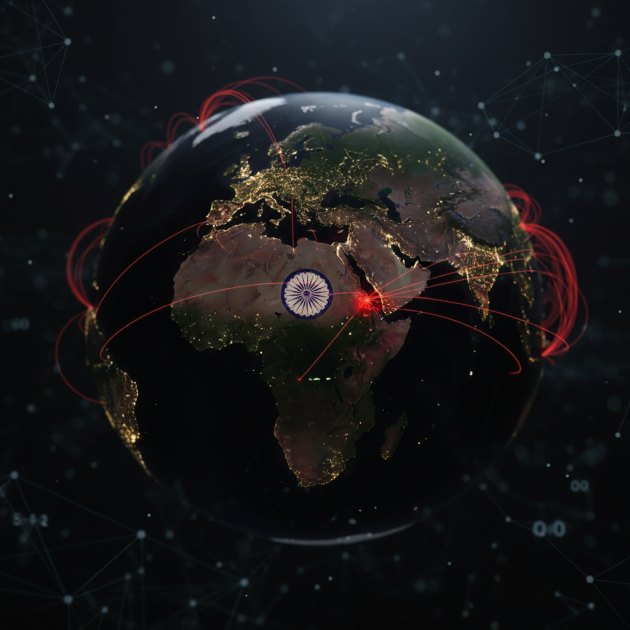
Hormuz Strait Ship Attack: India Condemns Iran Tensions, Global Powers React
Imagine this: A vital artery for global trade, the Hormuz Strait, suddenly becomes a flashpoint. A ship, carrying goods that could end up in your home, is attacked. This isn't a scene from a movie; it's a chilling reality that unfolded recently, sending shockwaves across the world, and especially here in India. On 15 May 2026, news broke of a serious ship attack near the Gulf of Oman, a waterway critically important for energy supplies. India, a nation deeply invested in global stability and maritime security, has strongly condemned this act. But what does this mean for you, for our economy, and for the delicate geopolitical balance involving giants like Iran, the US under Donald Trump, and China led by Xi Jinping? Let's dive deep.
This incident isn't just another headline; it’s a stark reminder of how interconnected our world is. The prices of fuel, electronics, and even the clothes you wear can be influenced by events happening thousands of miles away. Your everyday life is, in many ways, tied to the smooth flow of commerce through strategic chokepoints like the Hormuz Strait. As your trusted guide at Trend Duniya, we’re here to break down this complex situation, explain why India’s stance is crucial, and what the ripple effects might be for us all.
India's Stern Condemnation of the Ship Attack
New Delhi’s response was swift and unequivocal. The Ministry of External Affairs issued a strong statement condemning the attack on the commercial vessel in the Gulf of Oman. "India condemns this act of aggression and calls for an investigation into the incident," the spokesperson stated. This isn't just diplomatic jargon; it reflects India's deep-seated commitment to freedom of navigation and the safety of maritime trade. Our nation relies heavily on oil imports, a significant portion of which passes through this very region. Any disruption here directly impacts our energy security and, consequently, your wallet through fluctuating fuel prices.
What most people miss is the historical context. India has consistently advocated for peaceful resolution of conflicts and adherence to international law. Our naval presence in the region, though primarily for anti-piracy operations and goodwill visits, underscores our stake in regional stability. When a ship is attacked, it's not just a violation of international norms; it's a potential threat to the livelihoods of Indian sailors and the security of cargo vital for our economy.
The Importance of the Hormuz Strait and Gulf of Oman
Let's put this into perspective for you. The Hormuz Strait is often described as the world's most important oil transit point. It's a narrow waterway connecting the Persian Gulf to the open ocean via the Gulf of Oman. Think of it as a crucial bottleneck. According to the U.S. Energy Information Administration (EIA), roughly 30% of the world's oil traded by sea passes through this strait daily. In 2023, that averaged around 21 million barrels per day!
For India, this figure is even more critical. A significant chunk of our crude oil imports comes from the Middle East. Disruptions here mean immediate price hikes at the pump and potential shortages. Beyond oil, countless other goods, from electronics to textiles, travel through these waters. The ship attack on 15 May 2026, therefore, is not an isolated incident but a potential threat to the global supply chain that you and I are a part of.
Practical Takeaway: Understanding the strategic importance of these waterways helps you appreciate why India's diplomatic response is so vital. It's about safeguarding our economic interests and ensuring the stability that keeps prices somewhat predictable.
Geopolitical Crosscurrents: Iran, US, and China
This incident didn't happen in a vacuum. The region around the Hormuz Strait has been a hotbed of geopolitical tension for decades, and the recent attack has poured fuel on the fire. The United States, under President Donald Trump, has historically taken a confrontational stance towards Iran, particularly concerning its nuclear program and regional influence. Trump's administration reimposed stringent sanctions on Iran, significantly impacting its economy and its ability to engage in international trade.
On the other side, China, under President Xi Jinping, has been steadily increasing its economic and strategic footprint in the Middle East. Beijing relies heavily on Middle Eastern oil and has been seeking to expand its influence through initiatives like the Belt and Road Initiative. While China officially calls for de-escalation, its actions often indicate a desire to maintain stable energy flows and potentially challenge US dominance in the region. The recent ship attack creates a complex scenario where both the US and China have vested interests, making any escalation a global concern.
Here's where it gets tricky for India. We maintain good relations with both the US and Iran. We are a major trading partner for Iran (though sanctions have complicated this) and a strategic ally of the US. Navigating these choppy waters requires immense diplomatic skill. India's condemnation, therefore, is not just about condemning the attack but also about signaling its commitment to international maritime law without alienating key partners.
Real-World Scenario: Imagine you run a small business importing specialized machinery. If tensions in the Gulf escalate, shipping costs could skyrocket, or routes might become unsafe, forcing you to find more expensive alternatives or delay orders. This is the kind of impact we're talking about.
Practical Takeaway: India's balancing act in foreign policy is crucial for its economic well-being. Understanding these geopolitical dynamics helps you see why global events directly affect your local market.
Potential Impact on India's Economy and You
Let’s talk about what this really means for your everyday life. The immediate concern following any major incident near the Hormuz Strait is the price of crude oil. If supply is threatened, even perceived threats can cause oil prices to spike. For India, this translates directly into higher petrol and diesel prices. Think about your daily commute, the cost of goods transported by road – everything becomes more expensive.
Beyond fuel, consider the broader economic implications. India imports a vast array of goods, and many shipping routes pass through the Persian Gulf. A disruption could lead to delays in imports, affecting the availability and price of everything from electronics to essential medicines. The stock market can also react nervously to such geopolitical uncertainties, impacting your investments.
Comparison: The Oil Price Rollercoaster
Let's look at a hypothetical scenario based on past events:
| Scenario | Estimated Impact on Crude Oil Prices (per barrel) | Impact on Indian Retail Fuel Prices (approx.) |
|---|---|---|
| Minor disruption/escalation near Hormuz | \$5 - \$10 increase | ₹3 - ₹6 per litre increase |
| Significant blockage or prolonged conflict | \$15 - \$30+ increase | ₹10 - ₹20+ per litre increase |
Note: These are illustrative figures based on historical market reactions and can vary significantly based on numerous factors.
The good news is that India has been proactively diversifying its energy sources and building strategic reserves. However, the sheer volume of oil that passes through the Gulf of Oman means that major disruptions cannot be entirely mitigated. Your purchasing power is directly linked to these global energy dynamics.
Practical Takeaway: Stay informed about global energy markets. Even small fluctuations can signal larger trends that might affect your household budget. Consider long-term strategies like fuel-efficient vehicles or exploring public transport options.
India's Maritime Strategy and Role in Regional Security
India isn't just a passive observer in this complex theatre. Our maritime strategy is increasingly focused on securing our sea lanes and contributing to regional security. The Indian Navy actively participates in international maritime security operations, including anti-piracy patrols in the Arabian Sea, which is adjacent to the Gulf of Oman. These operations, while often focused on piracy, also build relationships and enhance interoperability with other navies, which is crucial in times of crisis.
When incidents like the ship attack occur, India's ability to respond, even diplomatically, is bolstered by its established presence and relationships in the region. We have conducted joint exercises with countries like Oman, France, and the US, enhancing our capacity to operate in these sensitive waters. Our naval ships are often deployed to provide assistance to vessels in distress, showcasing our commitment to maritime safety.
What most people don't realize is the intelligence gathering that takes place. The Indian Navy and Coast Guard monitor maritime traffic and potential threats. This information is vital not only for our own security but also for contributing to a shared understanding of regional maritime dynamics, which can be shared with international partners.
Real-World Example: In recent years, the Indian Navy has successfully neutralized pirate threats and rescued numerous vessels, including those carrying vital cargo. These actions demonstrate India's capability and commitment to maintaining safe sea lanes, which indirectly benefits global trade and, by extension, consumers like you.
Practical Takeaway: India's growing maritime prowess is a strategic asset that contributes to global stability and protects our economic interests. Supporting our defence forces and diplomatic initiatives is indirectly supporting your own economic security.
What Next for the Hormuz Strait Region?
The immediate aftermath of the ship attack near the Hormuz Strait will likely involve intense diplomatic maneuvering. The United States, under President Donald Trump, will probably increase pressure on Iran, potentially through further sanctions or increased naval presence. China, led by Xi Jinping, will likely call for restraint while simultaneously working to secure its own energy interests, possibly through increased diplomatic engagement with regional players or even exploring alternative supply routes.
For India, the path forward involves continued diplomatic engagement, urging de-escalation, and reinforcing its commitment to freedom of navigation. We will likely see increased calls for international cooperation to investigate the attack and hold accountable those responsible. The focus will be on preventing the situation from spiraling into a wider conflict that could severely disrupt global trade and energy supplies.
Here are a few key areas to watch:
- International Investigations: The success of independent investigations into the attack will be crucial in determining responsibility and preventing further escalation.
- US-Iran Relations: The trajectory of US-Iran relations will significantly influence regional stability. Any miscalculation could have severe consequences.
- China's Role: Beijing's approach – whether it leans towards de-escalation or asserts its influence – will be a critical factor.
- Global Energy Markets: The reaction of oil prices will be a key indicator of how seriously the market perceives the threat to supply.
Practical Takeaway: While we can't control global events, staying informed about these developments allows you to anticipate potential economic shifts and make informed personal financial decisions.
Frequently Asked Questions (FAQ)
Q1: Who was responsible for the ship attack?
As of 15 May 2026, the exact perpetrator of the ship attack near the Gulf of Oman has not been definitively confirmed. Investigations are ongoing. However, such incidents in this sensitive region have often seen accusations directed towards Iran or Iran-backed groups, especially during periods of heightened tension with the US. Both Iran and the US have complex geopolitical interests here, making definitive attribution challenging without concrete evidence.
Q2: Why is the Hormuz Strait so important?
The Hormuz Strait is a vital chokepoint, meaning it's a narrow passage through which a large volume of global trade must pass. Approximately 30% of the world's oil and significant quantities of liquefied natural gas (LNG) are shipped through it daily. Its strategic location means that any disruption here can have immediate and severe impacts on global energy supplies and prices, affecting economies worldwide, including India's.
Q3: How does this affect Indian consumers?
For Indian consumers, the primary impact is likely to be felt in fuel prices. Increased tensions or disruptions in the Gulf of Oman can lead to a spike in global crude oil prices, which directly translates to higher petrol and diesel costs at home. This can also lead to increased prices for goods and services as transportation costs rise. Furthermore, delays in imports due to shipping disruptions could affect the availability and price of various consumer products.
Q4: What is India's official stance on Iran?
India maintains a complex and balanced relationship with Iran. While India condemns actions that threaten regional stability and international maritime law, it also recognizes Iran's significant role in the region and has historically maintained strong economic and cultural ties. India has often called for diplomatic solutions and peaceful dialogue to resolve disputes. Our stance prioritizes India's own strategic interests, including energy security and regional stability, while navigating relationships with global powers like the US and China.
Q5: What role do the US under Donald Trump and China under Xi Jinping play?
The US, particularly under a leader like Donald Trump, often adopts a strong stance against what it perceives as Iranian aggression, frequently imposing sanctions and increasing military presence to deter threats. China, under Xi Jinping, while advocating for stability, has growing energy needs from the Middle East and seeks to expand its global influence. Beijing often calls for de-escalation but is also keen on securing its economic interests and potentially challenging US hegemony. Their actions and reactions significantly shape the geopolitical landscape around the Hormuz Strait.
Conclusion: Navigating Uncertain Waters
The recent ship attack near the Hormuz Strait is a stark reminder that our world is more interconnected and volatile than ever. India's firm condemnation reflects its commitment to international law and its own national interests, which are inextricably linked to global maritime security. For you, the Indian citizen, understanding these geopolitical currents is not just about staying informed; it's about recognizing how global events can impact your daily life and your financial well-being.
As tensions simmer around the Gulf of Oman, involving major powers like Iran, the US, and China, India's role as a responsible global player becomes even more critical. Our diplomatic efforts, naval capabilities, and economic resilience will be key in navigating these uncertain waters. Stay vigilant, stay informed, and remember that your awareness is your first line of defense against the economic fallout of international crises.
Your Next Steps:
- Stay Informed: Continue to follow reputable news sources for updates on the geopolitical situation.
- Review Your Budget: Consider how potential fuel price hikes might affect your household expenses and adjust your budget accordingly.
- Support Sustainable Practices: Think about ways to reduce your reliance on fossil fuels, whether through public transport, carpooling, or exploring electric vehicles.
At Trend Duniya, we are committed to bringing you clear, insightful analysis of the events that matter most. Share this article with your friends and family to help everyone understand the implications of this critical global development.
Disclaimer: This article is for informational purposes only and does not constitute financial, investment, or geopolitical advice. Always consult with qualified professionals for personalized guidance.