Delhi Hotel Fire: 21 Killed on June 4, 2026, Breaking News & Updates
Can you imagine the horror? In the early hours of June 4, 2026, a massive fire ripped through a prominent Delhi hotel, trapping hundreds and turning a night of comfort into a scene of unimaginable tragedy. This breaking news has sent shockwaves across the nation and the world, with 21 lives tragically lost in the inferno. Many of these victims were foreign tourists, adding a layer of international concern to this devastating event. As a journalist deeply committed to bringing you the facts, I want to walk you through what happened, who was affected, and what we know so far about this terrible Delhi hotel fire.
Delhi Hotel Fire: A Night of Terror on June 4, 2026
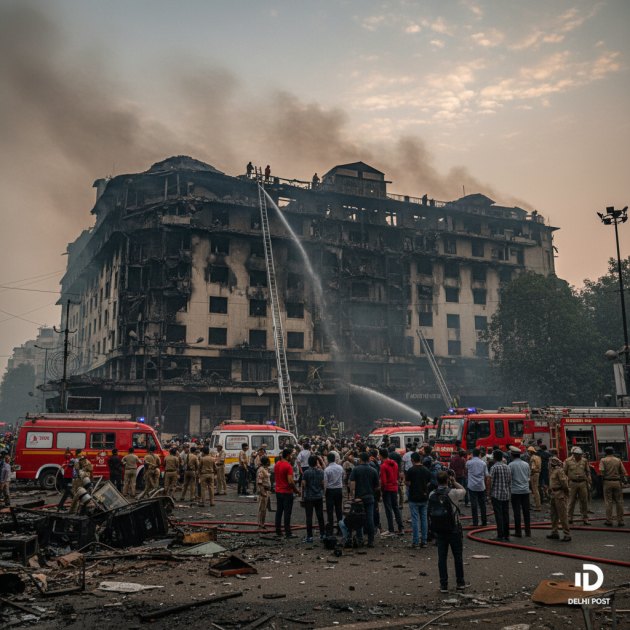
The incident, which began around 2:30 AM on June 4, 2026, at the luxurious 'The Grand Imperial' hotel in Central Delhi, has been described by eyewitnesses and emergency responders as a scene from a nightmare. Thick, acrid smoke filled the corridors and rooms, cutting off escape routes and leaving guests and staff in a desperate fight for survival. The speed at which the flames engulfed the building is a stark reminder of how quickly disaster can strike, even in places we perceive as safe.
What makes this Delhi hotel fire particularly heart-wrenching is the sheer number of casualties – 21 people confirmed dead. Initial reports indicate that a significant portion of the deceased were foreign nationals, highlighting the global impact of this tragedy. Imagine being far from home, in a city you’re exploring, only to be caught in such a devastating event. Our hearts go out to their families, both here in India and across the globe.
The Victims: Faces Behind the Tragedy
While official identification is ongoing, preliminary information suggests the victims came from various countries, including the United States, the United Kingdom, Germany, and several from Southeast Asia, alongside Indian nationals. The hotel, known for its upscale amenities and popular among international tourists and business travellers, was reportedly near full occupancy. This makes the casualty count all the more devastating. We are awaiting further details from the Delhi Police and the hotel management regarding the precise identities and nationalities of those lost.
The loss of these 21 lives is not just a statistic; it represents shattered dreams, broken families, and futures that will never be realised. Each person had a story, a reason for being in Delhi, and connections to loved ones who are now grappling with unimaginable grief. This Delhi hotel fire serves as a grim reminder of our shared humanity and the fragility of life.
Practical Takeaway: In times of crisis, it's crucial to remember the human element behind the headlines. Our thoughts and prayers are with the families affected by this terrible event.
The D-Day: June 4, 2026 - A Timeline of Chaos
The events of June 4, 2026, unfolded rapidly. The first distress calls were received by the Delhi Fire Service (DFS) at approximately 2:45 AM. Within minutes, multiple fire tenders were dispatched to the scene. However, the intensity of the blaze and the hotel's complex structure presented immediate challenges.
Rescue Efforts: A Race Against Time
Firefighters and emergency personnel worked tirelessly through the night and into the day, battling the flames and conducting perilous rescue operations. They navigated through smoke-filled corridors, braved intense heat, and risked their own lives to save those trapped. Many guests were rescued from upper floors using ladders and ropes, a testament to the bravery and dedication of our first responders.
The Delhi Police played a crucial role in cordoning off the area, managing the crowds, and assisting in the evacuation process. Ambulances were on standby, and the injured were rushed to nearby hospitals, including Ram Manohar Lohia Hospital and Safdarjung Hospital. The scale of the operation was immense, involving hundreds of personnel from the DFS, Delhi Police, and medical services.
What most people miss is the sheer difficulty of firefighting in such a high-rise building with potentially flammable materials. The rescue operations were not just about putting out the fire, but also about reaching individuals trapped in rooms, often with limited visibility and oxygen. The coordination between different agencies was critical, and thankfully, it appears to have been largely effective, saving many lives that could have been lost.
Real-world Scenario: Imagine being a guest on the 7th floor. The smoke alarm blares, but the hallway is already thick with smoke. Your only hope is the bravery of a firefighter appearing at your window, guiding you to safety amidst the chaos. This was the reality for many on that terrifying night.
Practical Takeaway: Appreciate the tireless efforts of our emergency services. Their courage and quick response often make the difference between life and death.
Investigating the Cause: What Went Wrong?
As the smoke clears, the crucial question on everyone's mind is: what caused this devastating Delhi hotel fire? Investigators from the Delhi Fire Service, the Delhi Police, and forensic experts are on site, meticulously examining the scene to determine the origin and spread of the fire. While it's too early to pinpoint an exact cause, initial theories are circulating.
Potential Fire Hazards and Initial Findings
Several factors are being considered, including potential electrical malfunctions, a short circuit, or even negligence in adhering to fire safety norms. The hotel, like many in the city, would have undergone regular fire safety audits, but the severity of this blaze suggests a catastrophic failure somewhere along the line. Officials are looking into the hotel's fire detection systems, sprinkler systems, and emergency exit routes to see if they were operational and adequate.
The age of the building, the materials used in its construction, and the presence of highly flammable items in guest rooms or common areas are also being scrutinised. Was there a lapse in maintenance? Were fire safety protocols followed rigorously? These are the questions the investigation aims to answer.
Comparison: In the tragic Kamala Mills fire in Mumbai in 2017, a rooftop restaurant's illegal structures and clear violations of fire safety norms were cited as major causes. While this Delhi hotel fire appears to be in a different setting, the underlying issues of fire safety compliance are often similar across urban India.
Expert Opinion: Fire safety experts often point out that many buildings, especially older ones or those with recent renovations, might have outdated or non-functional fire suppression systems. Regular, stringent checks and immediate rectification of faults are paramount. You can check your own building's fire safety compliance by asking your building manager for the latest audit reports.
Practical Takeaway: Fire safety is not just the responsibility of authorities; it's a collective responsibility. Be aware of fire exits and safety equipment in places you frequent.
The Impact: A City Mourns, A Nation Reflects
The loss of 21 lives in the Delhi hotel fire has cast a pall over the capital. News channels are running continuous coverage, and social media is abuzz with expressions of grief and solidarity. The incident has reignited critical discussions about fire safety regulations in hotels and other public buildings across India.
Strengthening Fire Safety Norms
This tragedy underscores the urgent need for stricter enforcement of fire safety laws and regular, unannounced inspections of all commercial establishments. Are our existing fire safety norms sufficient? Are they being implemented effectively? These are questions that demand immediate attention from policymakers and urban planners.
The Delhi government has announced a magisterial inquiry into the incident and promised strict action against anyone found guilty of negligence. Compensation will also be provided to the families of the victims. While these measures are necessary, the focus must be on preventing such horrific events from happening again.
Real-world Example: Following major fire incidents in the past, governments have often revised building codes and fire safety regulations. However, the challenge lies in ensuring these updated norms are adopted and enforced uniformly across all cities and types of buildings.
What you can do: As citizens, you can also play a role by reporting any visible fire safety hazards you notice in public places to the local authorities. Your vigilance can contribute to a safer environment for everyone.
Practical Takeaway: Demand better fire safety standards in your city. Advocate for stricter enforcement and regular inspections.
FAQ: Your Questions Answered About the Delhi Hotel Fire
We understand you have many questions about this tragic event. Here, we address some of the most common queries:
- What was the exact location of the fire?
The fire occurred at 'The Grand Imperial' hotel, a well-known establishment in Central Delhi. Its exact address is being verified, but it's situated in a prime commercial area. - How many people were injured?
While the confirmed death toll is 21, a significant number of people sustained injuries, ranging from minor smoke inhalation to severe burns. They are currently receiving treatment in various city hospitals. The exact number of injured is still being compiled by medical authorities. - What is the suspected cause of the fire?
As of now, the cause is under investigation. Preliminary theories include electrical short circuits or issues related to the hotel's infrastructure. A detailed forensic report is awaited. - Were there any safety lapses reported at the hotel previously?
This information is part of the ongoing investigation. Authorities are reviewing the hotel's past safety audit reports and maintenance records. Any previous complaints or violations will be brought to light. - What compensation is being offered to the victims' families?
The Delhi government has pledged financial assistance and compensation to the families of those who lost their lives. The specific amounts and modalities are expected to be announced soon by the Chief Minister's office. Central government assistance may also be forthcoming.
Practical Takeaway: Staying informed through reliable sources is key during such events. Rely on official statements and reputable news organisations.
Looking Ahead: Preventing Future Tragedies
The devastating Delhi hotel fire on June 4, 2026, resulting in 21 deaths, is a stark wake-up call. It's a moment for introspection, for action, and for a renewed commitment to safety. We owe it to the 21 souls lost and to all citizens to ensure that such a tragedy is never repeated.
Our Collective Responsibility
As individuals, you can be more aware of your surroundings. Know the emergency exits in your workplace, your hotel, and public spaces. Familiarise yourself with basic fire safety procedures. As a society, we must demand accountability from authorities and building owners to uphold and improve fire safety standards. This includes robust regulations, frequent and thorough inspections, and swift penalties for non-compliance.
The memory of this tragic Delhi hotel fire must serve as a catalyst for change. Let us hope that the investigations are swift, the findings are transparent, and most importantly, that concrete steps are taken to enhance fire safety across our cities. Your safety, and the safety of your loved ones, depends on it.
Call to Action: Share this article with your friends and family to raise awareness about fire safety. Let's collectively push for safer public spaces.