Delhi Dust Storm & Heatwave Alert: Your Safety Guide
Can you feel it in the air? That strange stillness before the chaos? Delhi, our vibrant capital, is once again under a weather alert, and this time it’s a double whammy: a significant Delhi dust storm is expected to hit tonight, coupled with an ongoing, relentless heatwave alert in Delhi. As the mercury soars and the skies threaten to turn a hazy brown, it’s crucial for every Delhite to stay informed and prepared. This isn't just about discomfort; it's about safeguarding your health, your property, and your peace of mind. Let’s break down what the India Meteorological Department (IMD yellow alert) is telling us and, more importantly, what you can do to navigate this challenging weather.
Understanding the Delhi Dust Storm and Heatwave Forecast
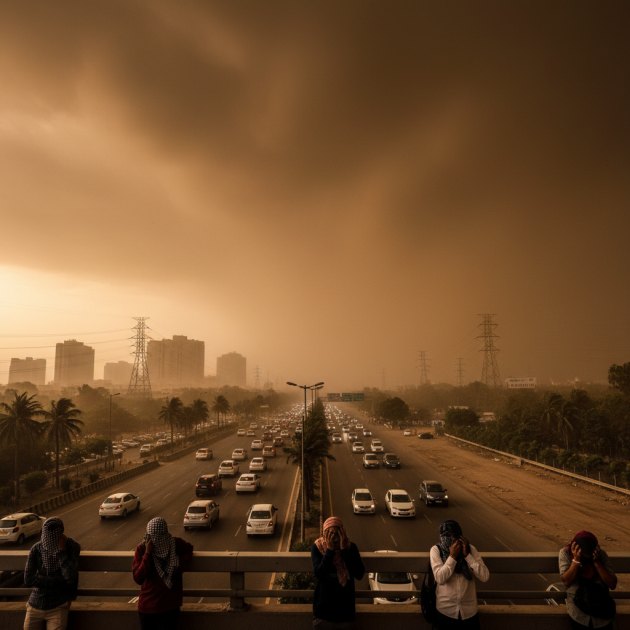
The weather gods seem to be throwing a lot at us simultaneously. The IMD has issued advisories that paint a clear picture: expect a potent combination of high temperatures and reduced air quality due to dust. This isn't an everyday occurrence, but it's becoming more frequent in our region. The forecast for Delhi weather today, May 25, 2026, indicates a significant build-up of dust particles, likely originating from arid regions and exacerbated by dry, gusty winds. This dust storm isn't just an aesthetic issue; it poses serious health risks, especially for those with respiratory conditions. Simultaneously, the heatwave shows no signs of relenting, pushing temperatures to dangerous levels. The IMD’s yellow alert signifies that conditions are becoming dangerous, and you need to be alert and take precautions.
What Causes These Dust Storms?
Dust storms in Delhi are typically a confluence of factors. Strong, dry winds, often blowing from the northwest, pick up loose soil and sand from arid and semi-arid regions. In our region, these can include parts of Rajasthan and even further west. When these dust-laden winds reach Delhi, they reduce visibility significantly and increase particulate matter (PM) levels in the air. The current meteorological conditions, characterized by high surface temperatures and low humidity, create a perfect environment for dust suspension. The dry spell preceding the storm also leaves surfaces parched, making them more susceptible to being picked up by the wind.
The IMD Yellow Alert Explained
An IMD yellow alert is a warning signal. It means that the weather conditions are likely to be severe enough to cause some impact, and you should be prepared. It’s not an evacuation order, but it’s a clear call to action for individuals and authorities. For the current situation, the yellow alert highlights the dual threat of heat stress and poor air quality. This means you should expect discomfort, potential health issues, and disruptions to daily life. Understanding this alert empowers you to take proactive steps.
Takeaway: Be aware that tonight's dust storm and the ongoing heatwave are serious weather events. The IMD yellow alert is your cue to take precautions seriously.
Health Impacts: Protecting Yourself and Your Family
This is where the real concern lies. A Delhi dust storm, especially when combined with a heatwave alert Delhi, can have severe consequences for your health. The fine dust particles can irritate your eyes, nose, and throat. For individuals with asthma, bronchitis, or other respiratory ailments, the impact can be much more severe, potentially triggering asthma attacks or worsening existing conditions. The heatwave, on the other hand, leads to dehydration, heat exhaustion, and even heatstroke, which can be life-threatening. As a resident of Delhi, it’s vital you understand these risks and take immediate measures.
Respiratory Troubles During Dust Storms
The dust particles, particularly PM2.5 and PM10, act as carriers for various pollutants and allergens. When inhaled, they can cause:
- Coughing and sneezing
- Sore throat and irritation
- Shortness of breath
- Aggravation of asthma and COPD symptoms
- Increased risk of lung infections
Imagine stepping out and immediately feeling a scratch in your throat or your eyes watering uncontrollably. That’s the immediate effect. For chronic sufferers, it’s a period of heightened anxiety and potential health crises. For instance, many Delhi families with young children or elderly parents find themselves confined indoors, anxiously monitoring air quality apps.
Heatwave Risks: Beyond Just Sweating
The heatwave is no less dangerous. Prolonged exposure to high temperatures without adequate hydration can lead to:
- Heat Exhaustion: Symptoms include heavy sweating, weakness, dizziness, nausea, and headache.
- Heatstroke: A medical emergency characterized by high body temperature, confusion, rapid pulse, and loss of consciousness. This requires immediate medical attention.
- Dehydration: Leading to fatigue, reduced cognitive function, and kidney problems.
Think about the daily wage earners, the street vendors, or even those commuting long distances. The relentless sun and oppressive heat pose a direct threat to their well-being. We've all seen people looking visibly distressed during peak heat hours. This is why staying indoors and hydrated is not just a suggestion, but a necessity.
Takeaway: Prioritize your health. Stay indoors as much as possible during the dust storm and peak heat hours, wear protective gear if you must go out, and keep yourself well-hydrated.
Practical Safety Tips for the Delhi Dust Storm and Heatwave
Knowing the risks is one thing, but taking practical steps is another. As we brace for the Delhi dust storm and continue to battle the heatwave alert Delhi, here’s what you can do to protect yourself and your loved ones. These are simple, actionable tips that can make a significant difference in your safety and comfort.
During the Dust Storm
When the dust starts to swirl, your home is your sanctuary. Here’s how to make it safer:
- Stay Indoors: This is the most effective measure. Avoid going outside unless absolutely necessary.
- Seal Your Home: Close all windows and doors tightly. Use wet cloths or towels to seal gaps around doors and windows to prevent dust from entering.
- Air Purifiers: If you have an air purifier, run it on a high setting. If not, consider using a DIY filter by attaching a HEPA filter to a box fan.
- Masks: If you absolutely must go outdoors, wear a high-quality mask, preferably an N95 or FFP2 respirator, to filter out fine particles. A simple cloth mask is better than nothing but less effective.
- Eye Protection: Wear sunglasses or goggles to protect your eyes from irritation.
- Nasal Rinse: Use saline nasal sprays or rinse your nose with lukewarm water after coming indoors to clear any trapped dust particles.
Remember the devastating dust storm of June 2019? Many residents experienced respiratory distress and visibility dropped to near zero. This year, let's be better prepared.
During the Heatwave
The heatwave requires a different, but equally crucial, set of precautions:
- Stay Hydrated: Drink plenty of water, even if you don’t feel thirsty. Avoid sugary drinks, caffeine, and alcohol, which can dehydrate you further. ORS (Oral Rehydration Solution) is excellent.
- Wear Light Clothing: Opt for loose-fitting, light-coloured cotton clothes.
- Stay Cool: Use fans, air coolers, or air conditioners. Take cool showers or sponge baths. Stay in the coolest part of your house, usually the ground floor or basement.
- Avoid Peak Hours: Limit outdoor activities between 11 AM and 4 PM, when the sun is strongest.
- Food: Eat light, easily digestible meals. Avoid heavy, spicy, and oily foods. Include fruits and vegetables with high water content like watermelon, cucumber, and oranges.
- Check on Vulnerable People: Pay special attention to infants, the elderly, and individuals with chronic illnesses. They are more susceptible to heat-related illnesses.
Many households in Delhi rely on basic fans and coolers. Maximizing their efficiency by keeping rooms shaded and ventilated appropriately can provide significant relief.
Takeaway: Implement these safety tips diligently. Small actions can prevent major health issues during this dual weather threat.
Air Quality Monitoring and What it Means for You
The Delhi dust storm inevitably means a spike in air pollution. While the dust itself is a problem, it often carries other pollutants along with it, making the air quality index (AQI) shoot up. Understanding the AQI is crucial for making informed decisions about your daily activities, especially concerning outdoor exposure.
Decoding the Air Quality Index (AQI)
The AQI is a number from 0 to 500, representing the air quality in your area. The higher the number, the more polluted the air is and the greater the health risk. Here’s a general breakdown:
- 0-50 (Good): Minimal impact.
- 51-100 (Satisfactory): May cause minor breathing discomfort to sensitive individuals.
- 101-200 (Moderate): Increased likelihood of breathing discomfort for sensitive people, and some discomfort for the general population.
- 200-300 (Poor): Breathing discomfort to most people on prolonged exposure; significant aggravation of respiratory problems.
- 300-400 (Very Poor): Prolonged exposure may cause respiratory illness.
- 400+ (Severe): Extreme difficulty breathing, even for healthy individuals.
During a dust storm, Delhi’s AQI can easily climb into the ‘Very Poor’ or ‘Severe’ categories. This means even healthy individuals might experience discomfort, and those with pre-existing conditions are at high risk. You can check the real-time AQI on various government websites and apps.
What to Do When AQI is High
When the AQI is poor, your actions should mirror those for a dust storm:
- Limit outdoor activity: Especially strenuous activities like jogging or cycling.
- Avoid areas with high pollution: Stay away from busy roads and construction sites.
- Wear masks: Always wear a mask if you need to be outside.
- Keep windows closed: Ensure your home is sealed.
- Use air purifiers: If available, use them to clean indoor air.
Many residents in Delhi have invested in air purifiers. During such events, these become indispensable tools for maintaining a healthy indoor environment.
Takeaway: Monitor the AQI regularly. High AQI levels necessitate strict adherence to pollution safety measures.
Impact on Daily Life and Essential Services
A significant Delhi dust storm and the persistent heatwave alert Delhi don't just affect your health; they can disrupt daily life and put a strain on essential services. Understanding these potential impacts helps you plan accordingly and be more resilient.
Transportation and Visibility
Dust storms drastically reduce visibility. This poses a significant risk to road, air, and rail transport. Driving becomes hazardous, and flights might be delayed or cancelled. Emergency services might also face challenges in reaching destinations quickly. Expect slower commutes and potential disruptions if you rely on public transport or drive yourself.
Power and Water Supply
Extreme heat puts a massive strain on the power grid due to increased demand for air conditioning. Power outages can occur, exacerbating the discomfort and risks associated with the heatwave. Dust storms can sometimes interfere with power lines, though this is less common than heat-related issues. Water supply can also be affected if treatment plants struggle with dust contamination or if demand surges due to heat.
Agriculture and Environment
While Delhi is a metropolitan city, its surrounding agricultural belts are not. Dust storms can damage standing crops, and intense heat can lead to crop wilting. The environmental impact includes increased soil erosion and stress on urban flora and fauna. For Delhi's many parks and green spaces, the heat and dust can be detrimental.
Economic Impact
Reduced visibility can lead to business disruptions. Outdoor work becomes difficult or impossible. Increased health issues can lead to lost productivity. The strain on resources like power and water can also have economic implications.
Takeaway: Be prepared for potential disruptions in transportation, utilities, and daily routines. Factor these possibilities into your plans for the next few days.
Expert Advice and Official Recommendations
When facing challenging weather, heeding expert advice is paramount. The IMD, health organizations, and environmental agencies provide crucial guidance. Here’s a summary of what the experts are saying regarding the Delhi dust storm and heatwave alert Delhi.
From the India Meteorological Department (IMD)
The IMD's primary role is to monitor and forecast weather. Their yellow alert for Delhi signifies the need for vigilance. They advise:
- Continuous monitoring of weather conditions.
- Issuance of timely warnings to the public and relevant authorities.
- Recommendations for staying indoors and avoiding strenuous activities during peak heat and dust periods.
Their forecasts are based on sophisticated models and ground observations, making them a reliable source of information.
Health Advisory from Medical Experts
Doctors and public health officials emphasize:
- Hydration: Crucial for combating heat. ORS, nimbu pani, and plain water are recommended.
- Avoiding direct sun exposure: Especially during 11 AM to 4 PM.
- Recognizing heat-related illnesses: Knowing the symptoms of heat exhaustion and heatstroke and seeking immediate medical help.
- Respiratory protection: Using masks during dust storms and periods of poor air quality.
- Indoor air quality: Maintaining clean indoor air using purifiers or natural ventilation when safe.
Dr. R.K. Sharma, a pulmonologist at AIIMS, recently stated, “The combination of heat and dust is a double-edged sword for lung health. We urge people, especially the elderly and those with chronic conditions, to take maximum precautions.”
Environmental Agency Guidelines
Environmental bodies focus on air quality management:
- Advising the public to stay updated on AQI levels.
- Recommending measures to reduce dust generation (e.g., water sprinkling at construction sites, covering open areas).
- Suggesting a shift towards public transport or carpooling to reduce vehicular emissions, which can worsen air quality.
Takeaway: Trust and follow the official advisories from IMD, health professionals, and environmental agencies. They are your best guide.
Frequently Asked Questions (FAQ)
Q1: How long is the dust storm expected to last?
Answer: Typically, dust storms in Delhi can last anywhere from a few hours to a full day, depending on the wind patterns and atmospheric conditions. The IMD will provide updates on the duration. For tonight, expect it to be most intense in the evening and early night hours, potentially clearing by tomorrow morning, but monitor local updates.
Q2: Is it safe to go out during the heatwave?
Answer: It is strongly advised to avoid going out during the peak heat hours (11 AM to 4 PM). If you must venture out, ensure you are well-hydrated, wear protective clothing, and limit your time outdoors. Check the Delhi weather today forecast for specific temperature advisories.
Q3: What kind of mask should I wear for the dust storm?
Answer: For maximum protection against fine dust particles, an N95 or FFP2 respirator is recommended. A good quality surgical mask or even a multi-layered cloth mask can offer some protection, but it's less effective than a respirator.
Q4: Can the dust storm affect my car or property?
Answer: Yes, dust can settle on your car and property, requiring cleaning. In severe cases, abrasive dust particles can potentially scratch car paint over time if not washed off promptly. It's advisable to cover vehicles if possible or wash them soon after the storm subsides.
Q5: What are the immediate steps if someone shows signs of heatstroke?
Answer: Heatstroke is a medical emergency. Immediately move the person to a cooler place, loosen their clothing, and try to cool them down by sponging with cool water or applying ice packs to the neck, armpits, and groin. Call for emergency medical help (like 102 or 108) immediately. Do NOT give them fluids to drink if they are unconscious or confused.
Conclusion: Stay Safe, Stay Informed
Tonight, Delhi faces a dual threat: a significant dust storm and an ongoing heatwave. The IMD yellow alert is a clear signal that we need to be extra cautious. By understanding the risks associated with both the dust storm and the heatwave, implementing the safety tips diligently, and staying informed about air quality and weather updates, you can significantly mitigate the impact on your health and well-being. Remember, your proactive approach is your best defense. Keep your loved ones safe, stay hydrated, protect your respiratory system, and prioritize staying indoors during the peak periods. Let’s navigate this challenging weather together, responsibly and safely.
Your next step: Share this information with your family and friends. Check local weather updates frequently and follow the advisories issued by the authorities. Stay safe!