Dehradun Hospital Fire: Patients Evacuated Amid Panic - What You Need to Know
Imagine the scene: You're recovering in a hospital bed, perhaps feeling vulnerable, when suddenly, the air fills with the acrid smell of smoke and the piercing wail of alarms. Panic erupts. This terrifying scenario became a harsh reality for patients and staff at Dehradun’s Panacea Hospital on the morning of May 21, 2026, when a fire broke out, forcing a desperate evacuation. This isn't just another news headline; it's a stark reminder of the critical importance of hospital safety and preparedness. What happened at the Dehradun hospital fire, and what can we learn from it to ensure our loved ones are safe in such emergencies? Let's dive deep into the unfolding events and their implications for healthcare infrastructure in our city.
The Dehradun Hospital Fire: A Morning of Chaos
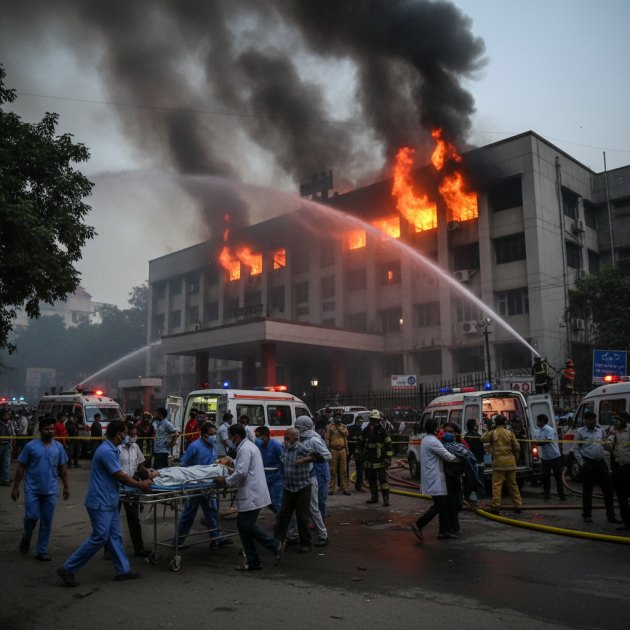
The incident at Panacea Hospital, a well-known healthcare facility in Dehradun, began to unfold around 9:30 AM. Initial reports suggest the fire might have originated in a specific section of the hospital, quickly spreading smoke and flames. The immediate challenge for hospital authorities was clear: ensuring the safe and swift evacuation of dozens of patients, many of whom were critically ill or immobile. The sight of patients being carried out on stretchers and wheelchairs, bundled in blankets, against a backdrop of smoke billowing from the building, painted a grim picture. Eyewitnesses described a scene of confusion and fear, with staff members working tirelessly under immense pressure to manage the situation.
Eyewitness Accounts: Voices from the Scene
"We heard the fire alarm, and at first, we thought it was a drill," shared Mrs. Sharma, whose husband was admitted for a routine procedure. "But then the smoke started seeping in under the door. The nurses, bless them, were so brave. They calmly told us to stay put initially, then started helping the more mobile patients out. It was terrifying, seeing people being rushed out in their nightgowns. My husband is still weak, and I was so worried about him."
Another bystander, Mr. Anil Kumar, who was visiting a relative in a nearby clinic, recounted the scene: "The smoke was visible from quite a distance. Ambulances and fire tenders arrived within minutes, which was good. But the sheer volume of people trying to get out, and the staff trying to manage them, was overwhelming. You could feel the panic in the air. It’s a miracle no one seemed to be seriously hurt in the evacuation itself, but the shock must be immense for those patients."
These firsthand accounts highlight the human element of such disasters. It's not just about the building; it's about the vulnerable lives within it. The quick response of the Dehradun fire department and emergency services is commendable, but the incident undeniably raises questions about the hospital's fire safety protocols.
Practical Takeaway: Always familiarize yourself with your nearest hospital's emergency exits and procedures. While you hope never to need them, knowing is half the battle.
Panacea Hospital Fire: Investigating the Cause and Response
As the immediate crisis subsided and patients were safely transferred to other nearby hospitals, the focus shifted to understanding the root cause of the Panacea Hospital fire. Preliminary investigations by fire officials are underway. While the exact cause is yet to be officially confirmed, speculation ranges from an electrical short circuit to a malfunction in the hospital's equipment. Hospitals, with their complex electrical systems, medical gases, and numerous potential ignition sources, are particularly vulnerable to fire hazards. Regular safety audits and maintenance are not just a regulatory requirement; they are a life-saving necessity.
The Importance of Fire Safety Audits
What most people miss is the sheer complexity of fire safety in a healthcare setting. It's not just about having fire extinguishers. It involves:
- Regular inspection and maintenance of electrical wiring and equipment.
- Proper storage and handling of flammable medical supplies.
- Functioning smoke detectors and alarm systems.
- Clearly marked and unobstructed emergency exits.
- Regular fire drills for staff and, where feasible, patients.
- Adequate training for all staff on emergency procedures.
In the aftermath of the Dehradun hospital fire, authorities will undoubtedly scrutinize Panacea Hospital's adherence to these protocols. Your local hospitals should be a beacon of safety, and it’s your right to expect the highest standards.
Lessons Learned for Hospital Infrastructure
This incident serves as a critical case study for hospital administrators across India. The ability to contain a fire, ensure timely evacuation, and maintain essential services during an emergency are paramount. Modern hospital designs often incorporate fire-resistant materials and compartmentalization strategies to slow the spread of flames and smoke. The effectiveness of these measures is put to the ultimate test during an event like this. For your nearest healthcare facilities, consider if they have robust systems in place. Are they built with safety as a primary consideration?
Practical Takeaway: If you or a loved one are choosing a hospital, don't hesitate to inquire about their fire safety measures and emergency preparedness plans. It's a valid question about your well-being.
Hospital Evacuation: A Delicate Operation
Evacuating a hospital is one of the most challenging emergency operations imaginable. Unlike a residential building, a hospital houses individuals who are often critically ill, dependent on life-support machines, or unable to move independently. The hospital evacuation at Panacea required a coordinated effort involving hospital staff, emergency medical services, and potentially volunteers. The priority is always to move the most vulnerable patients first, often those in intensive care units (ICUs) or on ventilators. This involves carefully disconnecting and reconnecting life support systems, a process that requires immense skill and precision under extreme duress.
Challenges in Patient Evacuation
Consider the logistics:
- Mobility Issues: Many patients cannot walk or even sit up without assistance.
- Medical Dependency: Life-support machines (ventilators, monitors, infusion pumps) need to be moved or patients transferred to portable versions.
- Panic and Confusion: Patients and visitors can become disoriented and frightened, hindering evacuation efforts.
- Limited Staff: The number of trained personnel available for evacuation might be insufficient for the number of patients.
- Destination Hospitals: Finding capacity and ensuring smooth handover at receiving hospitals is crucial.
The success of the evacuation at Panacea Hospital, with reports of no major casualties related to the fire itself, speaks volumes about the dedication of the medical staff and the efficiency of the first responders. However, the psychological impact on patients and staff cannot be underestimated.
When Disaster Strikes Your Local Hospital
What if your local hospital faces a similar crisis? While you are not expected to lead the evacuation, being informed can make a difference. Hospital staff are trained for these scenarios. If you are visiting, follow their instructions immediately. If you are a patient, trust your caregivers and try to remain as calm as possible. Your cooperation is vital. The immediate aftermath often involves transferring patients to alternative facilities. This is where the capacity and preparedness of other hospitals in the vicinity become critical. For instance, in a city like Dehradun, authorities would coordinate with hospitals like Max Super Speciality, Doon Hospital, and others to accommodate the displaced patients.
Practical Takeaway: In any emergency situation at a healthcare facility, your primary role is to remain calm and follow the instructions of the trained personnel. Your cooperation is essential for a safe outcome.
Dehradun News Today: Broader Implications for Healthcare Safety
The Dehradun news today is dominated by the hospital fire, but its implications extend far beyond a single incident. It forces us to confront the reality that even places designed for healing can become sites of danger if safety measures are not rigorously maintained. This event puts a spotlight on the overall healthcare infrastructure in Dehradun and, by extension, in many Indian cities. Are our hospitals, both public and private, equipped to handle such emergencies? Are the fire safety regulations stringent enough, and more importantly, are they consistently enforced?
Assessing Preparedness Across India
While Panacea Hospital is the focus today, similar incidents have occurred in other parts of India. Remember the devastating fire at the COVID-19 ward of a Gujarat hospital in 2020? These are not isolated events. They highlight a systemic issue that needs urgent attention. The National Disaster Management Authority (NDMA) has issued guidelines for fire safety in hospitals, but their implementation varies significantly. Your local municipality and health department play a crucial role in ensuring compliance. Are they actively monitoring and enforcing these standards? You can often find information on local government websites regarding health facility regulations.
The Role of Technology and Modernization
Modern hospitals are increasingly incorporating advanced fire detection and suppression systems. This includes sophisticated smoke detection systems, automatic sprinkler systems, and fire-resistant building materials. Investing in such technology is not an expense; it's an investment in patient lives. For hospitals that might be older, a phased modernization plan focusing on fire safety upgrades is essential. What is the current state of technology in your nearest hospital? Is it up-to-date with the latest safety features?
Practical Takeaway: Advocate for better hospital safety standards in your community. Support initiatives that push for stricter enforcement of fire safety regulations and encourage the adoption of modern safety technologies in healthcare facilities.
Frequently Asked Questions (FAQ) about the Dehradun Hospital Fire
We understand you might have many questions following this distressing news. Here are answers to some common queries:
- What caused the fire at Panacea Hospital?
The exact cause of the Dehradun hospital fire is still under investigation by the fire department and relevant authorities. Initial reports suggest it might have been an electrical issue, but a formal statement is awaited.
- Were there any casualties?
As per preliminary reports from the ground, there were no fatalities directly caused by the fire. The swift evacuation by the hospital staff and the timely intervention of emergency services are credited for this. However, the condition of some evacuated patients is being closely monitored at the receiving hospitals.
- Which other hospitals admitted the evacuated patients?
Patients from Panacea Hospital were transferred to several other healthcare facilities in Dehradun to ensure they receive continuous care. These likely include major hospitals like Max Super Speciality Hospital, Doon Hospital, and others that have the capacity to handle additional patients.
- What are the general fire safety measures in Indian hospitals?
Indian hospitals are mandated to have fire safety measures as per guidelines issued by the National Disaster Management Authority (NDMA) and local fire safety departments. These typically include fire extinguishers, smoke detectors, alarm systems, clearly marked exits, and regular fire drills. However, the effectiveness and enforcement of these measures can vary.
- What can patients and visitors do during a hospital fire emergency?
The most crucial action is to remain calm and follow the instructions given by hospital staff and emergency responders. Do not use elevators. If you are mobile, proceed to the nearest safe exit. If you are a patient unable to move, stay in your room and await assistance. Cooperate fully with the evacuation process.
- How can I check the fire safety standards of a hospital?
While there isn't a single public portal for checking specific fire safety compliance for every hospital, you can often inquire with the hospital administration. Additionally, local news reports and reviews might sometimes highlight concerns. For public hospitals, you can sometimes find information on the health department's website regarding regulatory compliance.
Conclusion: Vigilance is Key for Healthcare Safety
The Panacea Hospital fire in Dehradun is a stark wake-up call. It underscores the critical need for unwavering vigilance in maintaining and enforcing robust fire safety protocols in all healthcare institutions. While we commend the bravery of the staff and the swift action of the emergency services, this incident must catalyze a deeper reflection on our preparedness. As citizens, we have a right to expect safe healthcare environments. This means demanding accountability, supporting modernization efforts, and staying informed about the safety standards of the facilities we rely on.
What can you do next? Share this article with your family and friends. Discuss the importance of hospital safety. If you have concerns about your local hospital, don't hesitate to raise them with the administration or your local representatives. Let this event galvanize us into action, ensuring that our hospitals remain sanctuaries of healing, not sites of potential tragedy. Your proactive engagement can make a significant difference in safeguarding your community's well-being.